
Reviewed by Arisa Tanaphon, Certified Tai Chi Instructor, Mindful Movement Specialist
Tai chi is now discussed not only as a balance or stress practice, but also as a possible support tool for blood pressure management. The reason is straightforward: it combines light-to-moderate physical activity, breath control, and lower stress load, which are all relevant to cardiovascular health.
Key takeaways
- Tai Chi may support blood-pressure management alongside medical care. Continue prescribed treatment and monitoring; a completed workout does not show that blood pressure has fallen.
- Tai Chi for Seniors & Beginners offers standing and chair plans across 5 levels. Choose a comfortable sequence rather than using its level as a medical assessment.
- The app uses 30-second movement blocks with pause and adjustable rest. Let breathing stay natural; do not hold your breath to match a turn or arm lift.
- Preview Sunrise Flow’s planted-foot arm movement before adding demanding footwork. Stop if you feel dizzy, and ask your clinician about exercise limits or symptoms.
Why tai chi might help blood pressure
Blood pressure is shaped by many factors:
- cardiovascular conditioning,
- vascular function,
- body weight,
- stress load,
- sleep quality,
- medication adherence,
- overall activity level.
What the evidence says
The 2020 review by Zhong et al. reported that tai chi appeared better at lowering systolic and diastolic blood pressure than several control conditions, but it also noted poor study quality and major differences across studies.
More recent reviews are still positive, including 2024 review on essential hypertension, 2024 meta-analysis, and 2024 network meta-analysis.
Tai chi is not a substitute for hypertension treatment
If someone has high blood pressure, tai chi should not be framed as a reason to stop:
- medication,
- physician follow-up,
- home monitoring,
- diet changes,
- other exercise.
Who might benefit most
- need a low-impact form of exercise,
- are older or deconditioned,
- feel intimidated by gym-based routines,
- want something that combines movement and calm,
- already have balance or joint limitations.
How to start tai chi for blood pressure support
- Start with 10 to 20 minutes per session.
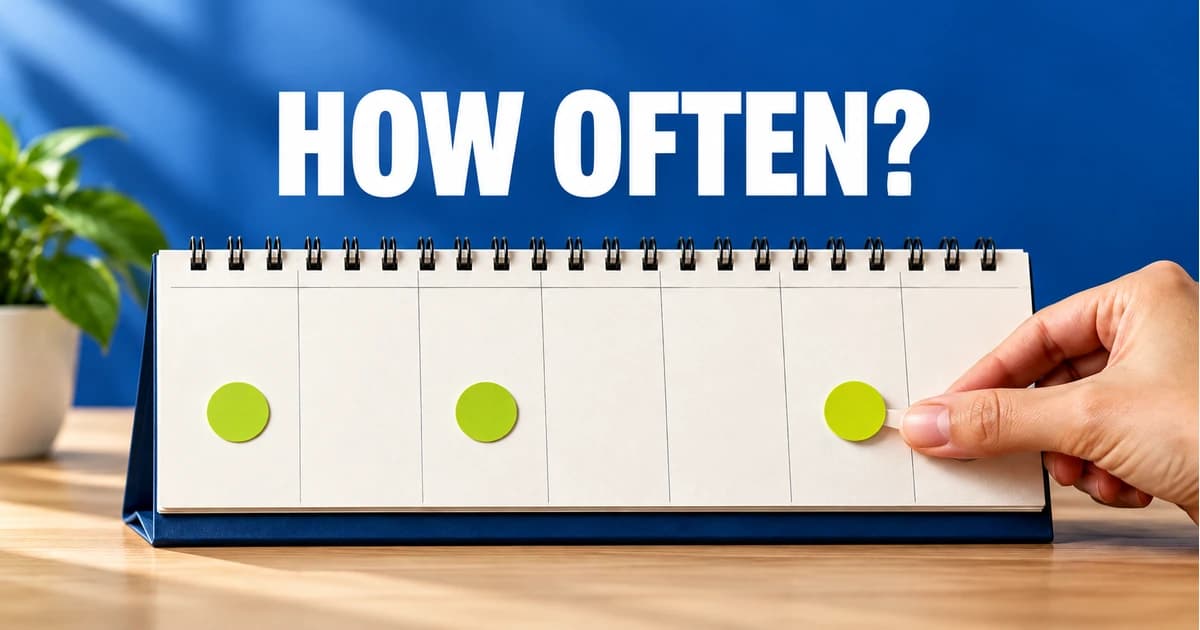
- Practice 3 to 5 times per week.
- Keep the pace easy enough that you can breathe normally.
- Choose a style that does not provoke pain or dizziness.
- Track blood pressure with your clinician’s guidance instead of guessing.
Explore the movements in our app
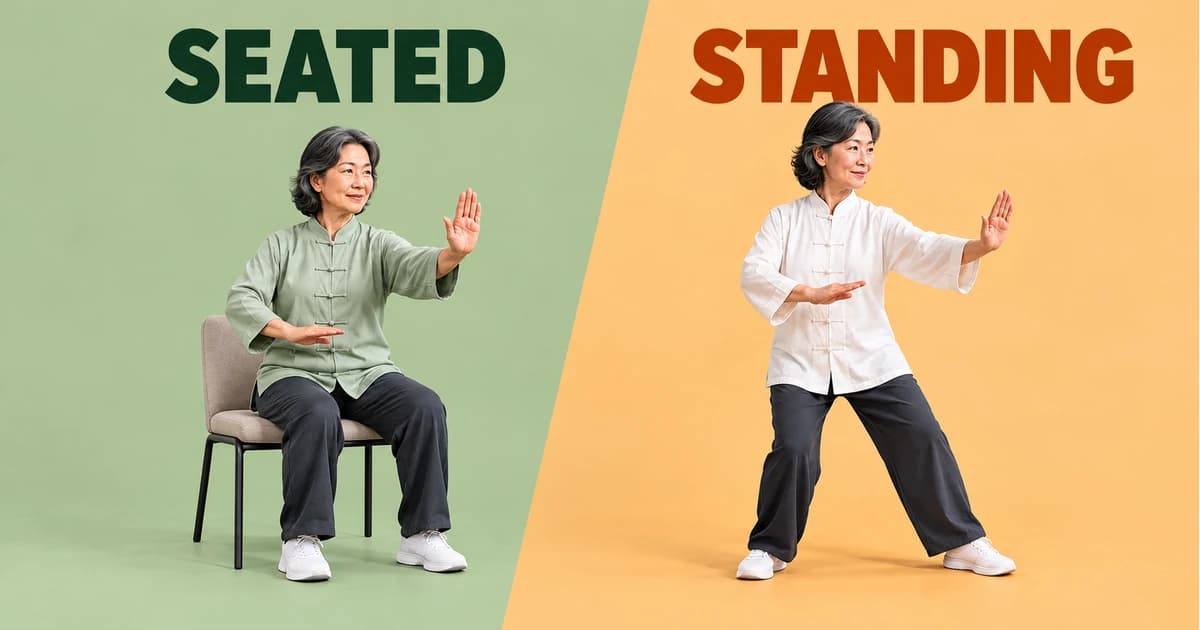
To see the type of practice discussed here, watch Sunrise Flow or Seated Arm Circles. They show different standing and seated tasks. Use natural breathing and pause when needed; do not force breath holds to follow a movement cue.
Tai Chi for Seniors & Beginners provides movement guidance and saved workout progress, but does not measure blood pressure or prescribe exercise for hypertension. The seated beginner plan lets you preview the actual sequence to discuss with your health care provider. Continue prescribed monitoring and treatment rather than judging changes from an app completion streak.
FAQ
It may help lower blood pressure in some adults, especially systolic blood pressure, according to several systematic reviews. But it should be treated as supportive, not curative.
Not universally. Walking is excellent too. Tai chi may be more appealing for people who want a gentler routine with a stress-regulation component.
Research protocols vary widely, but many studies use multiple sessions per week over several weeks or months.
References
- Tai Chi: What You Need To Know — NCCIH
- Tai chi for essential hypertension: a systematic review of randomized controlled trials
- The efficacy of Tai Chi for essential hypertension
- Efficacy of Tai Chi exercise in patients with hypertension
- An updated network meta-analysis of non-pharmacological interventions for primary hypertension
Updated: October 16, 2026