
Reviewed by Arisa Tanaphon, Certified Tai Chi Instructor, Mindful Movement Specialist
For a beginner building a habit, three short practice appointments in a week are a practical starting experiment. Repeat familiar movements on those days and adjust the schedule to how you feel. This is a planning suggestion, not a research-backed minimum dose or a promise of results.
Choose a session you can finish without rushing. Our daily routine guide helps with what to practice; this guide focuses on spacing sessions, repeating them, and deciding when to add time.
Key takeaways
- Choose a Tai Chi schedule you can repeat, then adjust it using your comfort and actual practice history. A 30-day plan does not require a daily streak.
- In Tai Chi for Seniors & Beginners, 65.4% of getting-started answers selected daily practice, 27.2% three times weekly, and 7.4% once weekly, September 1–October 14, 2026. These are intentions. Method.
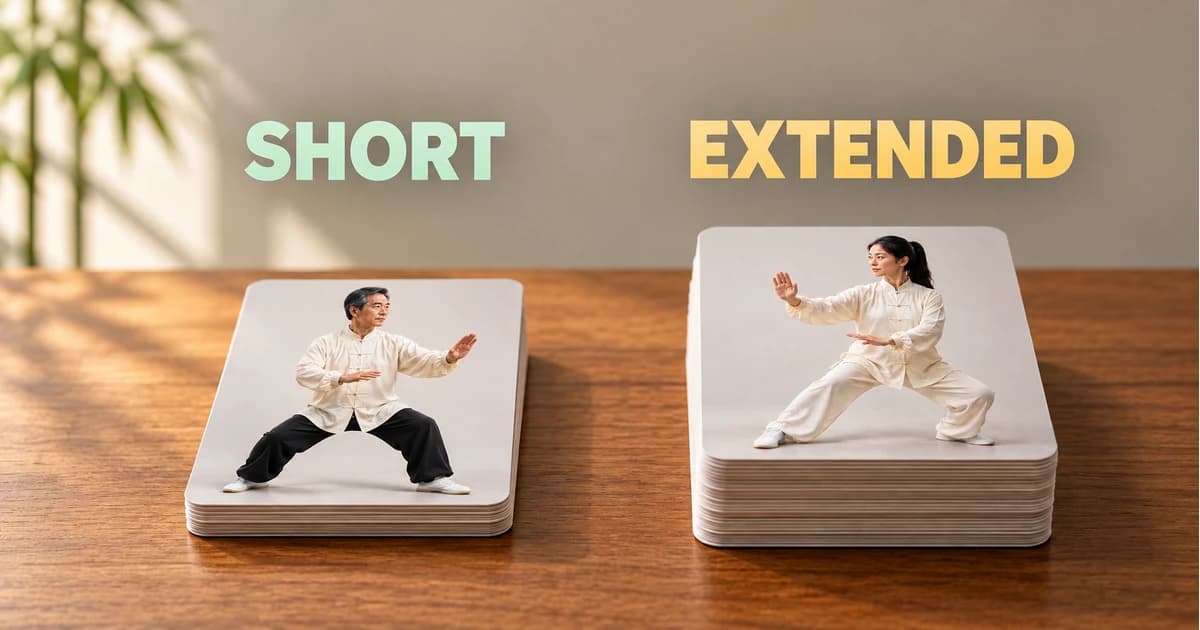
- The app offers short and extended versions within each plan day. A shorter version reduces the movement list without moving you to a different level.
- Use Progress history to see which days you actually completed. Leave extra time for pauses and unfamiliar transitions rather than treating a planned schedule as a medical dose.
An example first week
| Day | Practice focus | Time approach |
|---|---|---|
| Monday | Watch Sunrise Flow and rehearse its arm path. | A few unhurried minutes, including watching and pauses. |
| Wednesday | Repeat the opening. Add Arm Circles. | Keep the same short appointment. |
| Saturday | Repeat both, then finish with Grounded Closing Stand. | Add time only if the sequence remains comfortable. |
Pro tip: This is an example schedule for learning a few movements. It is not one of the app’s 30-day programs.
Repeat before you extend
During the first few practices, use the same opening movement. Watch where the hands finish, when the direction changes, and whether your shoulders rise. Repetition gives you a specific detail to compare at the next session.
Add one change at a time: another movement, a longer practice block, or an extra day. If you add all three together, it becomes harder to identify what made the session feel tiring or confusing. An easy extra session can simply repeat material you already know.
Read app session times correctly
Tai Chi for Seniors & Beginners uses 30-second movement blocks. Session estimates include 15 seconds of preparation per movement. A 12-movement session therefore has six minutes of movement and an estimated nine minutes including preparation. Pauses can make it longer.
The Gentle Morning Warm-Up has 12 movements. Open the sequence before starting: it includes cross stepping as well as arm movements. You can also choose a chair session, which has a different sequence rather than a direct seated copy of the standing workout.
When should you add another session?
- You can recall the setup for the familiar movements without repeatedly repositioning.
- You can finish at your own pace without skipping transitions to keep up with the timer.
- The current schedule fits your week well enough that another short appointment is realistic.
- You do not have new pain or persistent discomfort after practice. If you do, reduce the demand and seek individual advice as needed.
A missed day does not create an exercise debt. Resume with the last comfortable session rather than doubling the next one.
What people plan for their week
Among people who answered our getting-started questions, 65.4% wanted to practice daily, 27.2% chose three times a week, and 7.4% chose once a week. These are plans people selected, rather than a record of how often they later practiced.
Choose a schedule you can fit around meals, work, and rest. The app’s Progress history lets you look back at your own completed sessions and adjust your next week.
From Tai Chi for Seniors & Beginners, September 1–October 14, 2026. About these numbers.
Use a 30-day plan as a sequence of practice days
The app offers separate standing and Chair Tai Chi tracks, five levels, and short or extended day sequences. It also lets you choose training weekdays and a reminder time. A plan gives you an order to follow; your schedule determines when you practice.
Preview the standing beginner plan or the seated beginner plan. Completed days and training time appear in Progress, so you can track your own consistency instead of comparing your schedule with someone else’s.
What frequency research can tell you
The NCCIH overview describes studies with differing session lengths and schedules. There is no single beginner schedule established by those varied studies for our app. Choose practice you can sustain and discuss condition-specific exercise needs with your health care provider.
Updated: October 16, 2026