Reviewed by Arisa Tanaphon, Certified Tai Chi Instructor, Mindful Movement Specialist
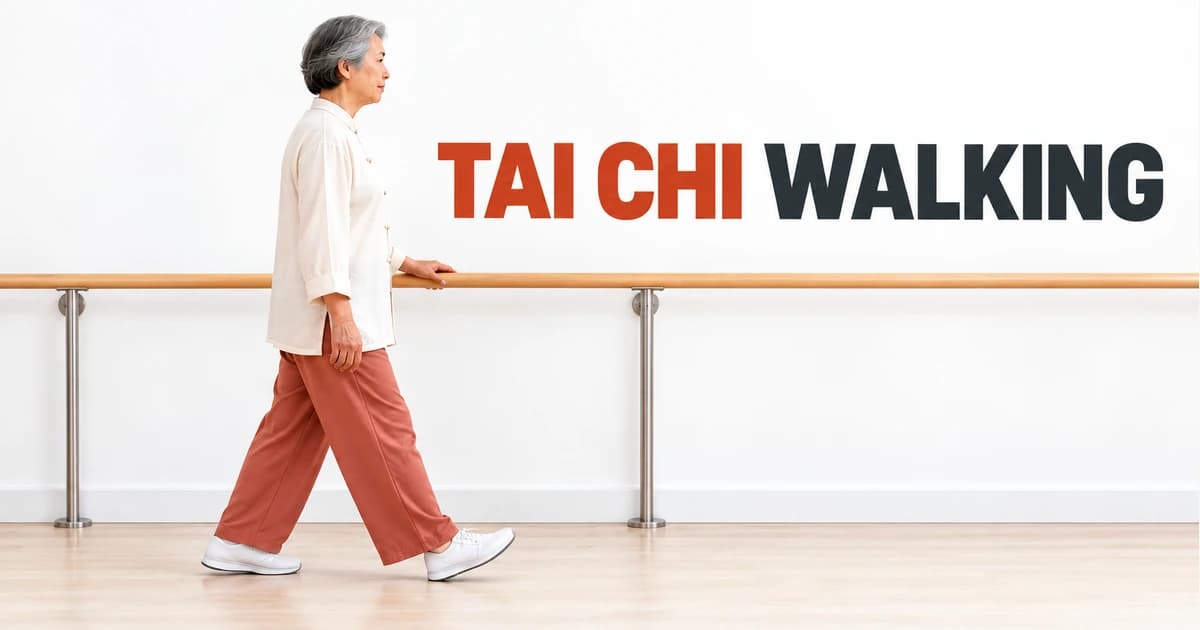
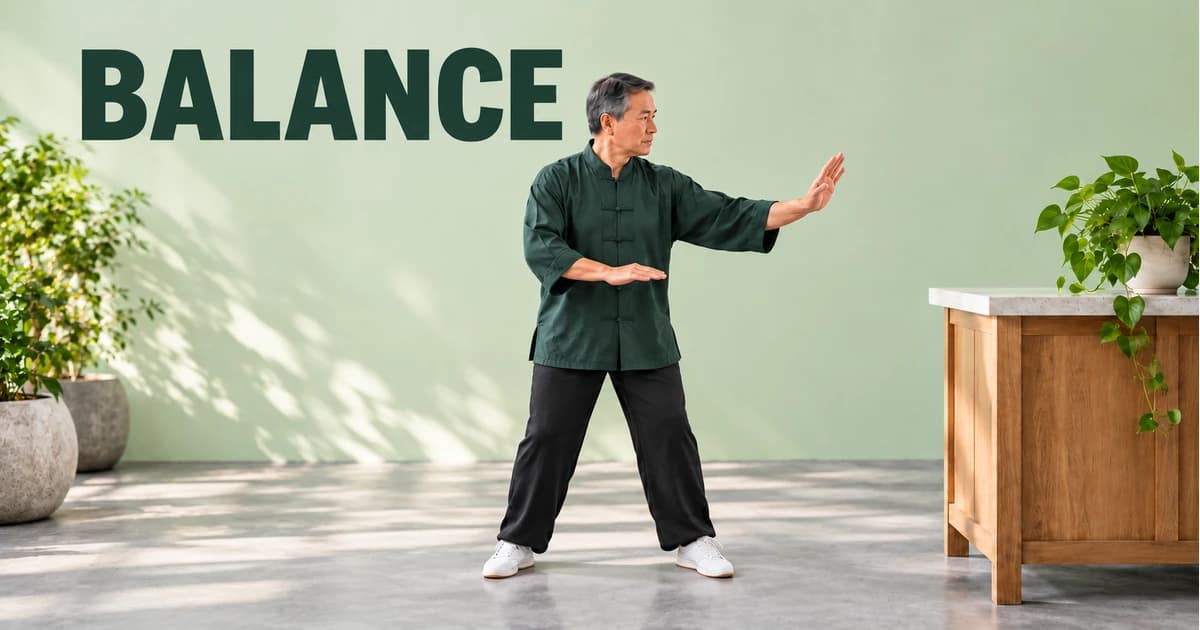
A useful beginner balance sequence starts with two feet on the floor. Practice a small weight shift, then coordinated turning, and only then consider a brief supported knee lift. The goal is a controlled transfer, not a long one-leg hold.
NCCIH’s review of Tai Chi research discusses balance and falls in older adults. Those findings concern studied programs; they do not prove that a short home sequence or an app prevents falls. If you have fallen recently or need help standing, get individual guidance before trying standing balance work.
Key takeaways
- Balance practice can begin with both feet on the floor. Learn a small weight shift before adding a turn, step, or lifted knee.
- In Tai Chi for Seniors & Beginners, Side To Side Sway keeps both feet planted; Floating Cloud Hands adds torso rotation and weight transfer.
- One Leg Balance raises the knee and same-side arm. Keep support nearby, or leave the toes touching down when a full lift is not comfortable.
- The app’s Balance & Coordination workout contains 12 movements. Preview the full list and pause its 30-second movement blocks when you need to reset your stance.
Choose the movement by the task it asks you to do
| If you want to practice | Start with |
|---|---|
| Feeling left-to-right weight transfer with both feet planted | Side to Side Sway |
| Combining a small torso turn with an arm pattern | Floating Cloud Hands |
| Briefly unloading one foot, with support available | One Leg Balance |
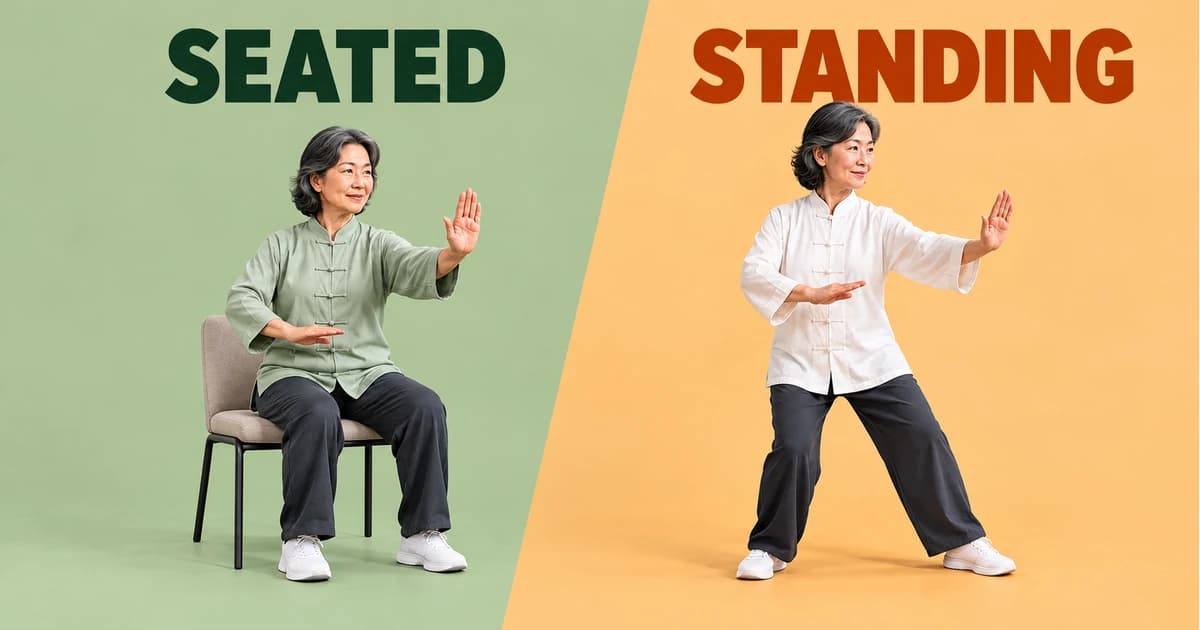
| Staying in a chair while practicing alternating leg movement | Seated March |
1. Establish the weight shift
Start Side to Side Sway with a shallow knee bend. Shift to the left, pause, then return through the center and shift right. Keep the torso upright rather than tipping a shoulder toward the floor. Notice whether the return is as controlled as the outward shift.
Your first adjustment should be the size of the movement. A smaller transfer lets you rehearse the pattern without searching for the edge of your balance. Keep a stable support close enough to use without reaching.
Watch movements with both feet on the floor
Side to Side Sway
- Stand with feet wide and bend knees into a horse stance. Keep torso upright, arms crossed in front of chest.
- Shift body weight slowly to the left, then to the right.
- Return to center and stabilize with control.
Floating Cloud Hands
- Stand with feet shoulder-width apart and knees soft. Stack the arms in front of the body, keeping the wrists and arms soft.
- Face the top palm down and the bottom palm up. Shift weight and rotate torso to one side, guiding arms.
- Move smoothly side to side and return to center.
2. Add coordinated turning
In Floating Cloud Hands, one palm faces down and the other faces up while the torso turns and the weight shifts. Watch a full left-and-right cycle first. Follow the arms through a small path and let the torso accompany them; avoid swinging the hands quickly while the rest of the body stays still.
If the pattern becomes confusing, stop and rehearse just the weight transfer. Add the arms again when you can change sides smoothly. You can repeat the same drill across several sessions rather than choosing a new movement every day.
3. Make a knee lift optional
The app’s One Leg Balance combines a knee lift with the arm on the same side. It is more demanding than standing on two feet. Use a stable counter, keep the lift low, and put the foot down between attempts. A toe left lightly on the floor is a smaller rehearsal of the transfer.
The library’s Legs & Grounding Strength session also contains squatting and other standing movements. Preview all 12 movements before choosing it. A beginner label describes the app’s sequence, not a personal assessment of fall risk.
Use a repeatable practice check
- Can you start and stop the movement without taking an extra step?
- Can you return to the center slowly on both sides?
- Can you keep breathing without holding your breath to stay upright?
- Does a smaller range make the movement easier to control? Use that range next time.
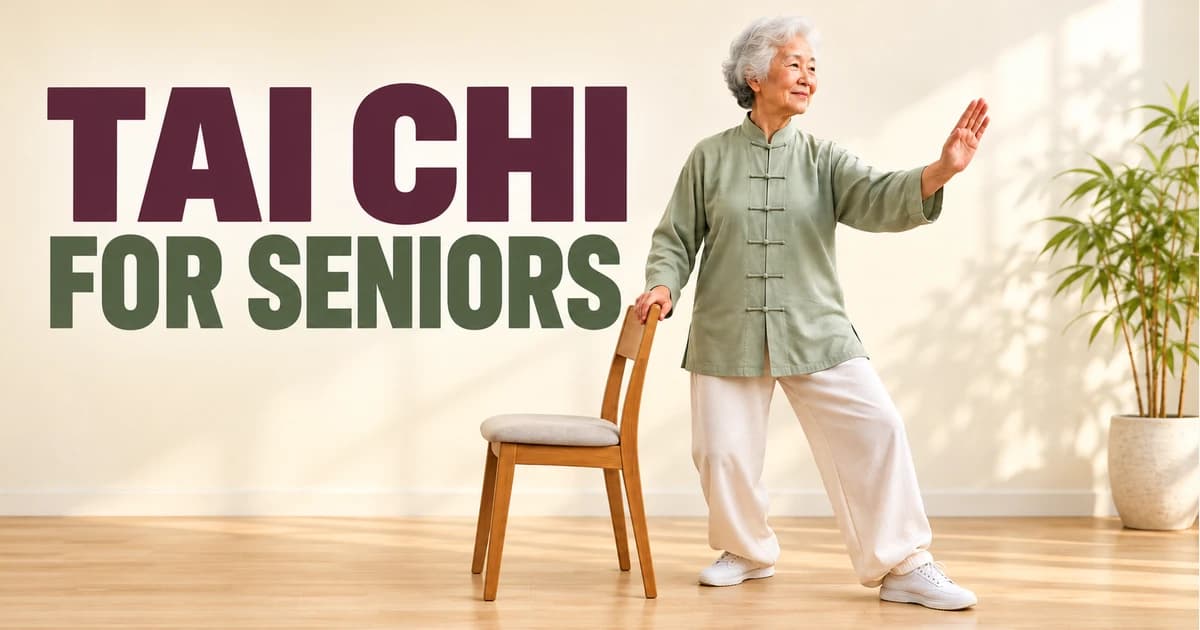
Pause if you feel unsteady. For a seated practice choice, see chair versus standing Tai Chi. Seated practice changes the balance task and does not train standing weight transfer in the same way.
Where these balance skills lead
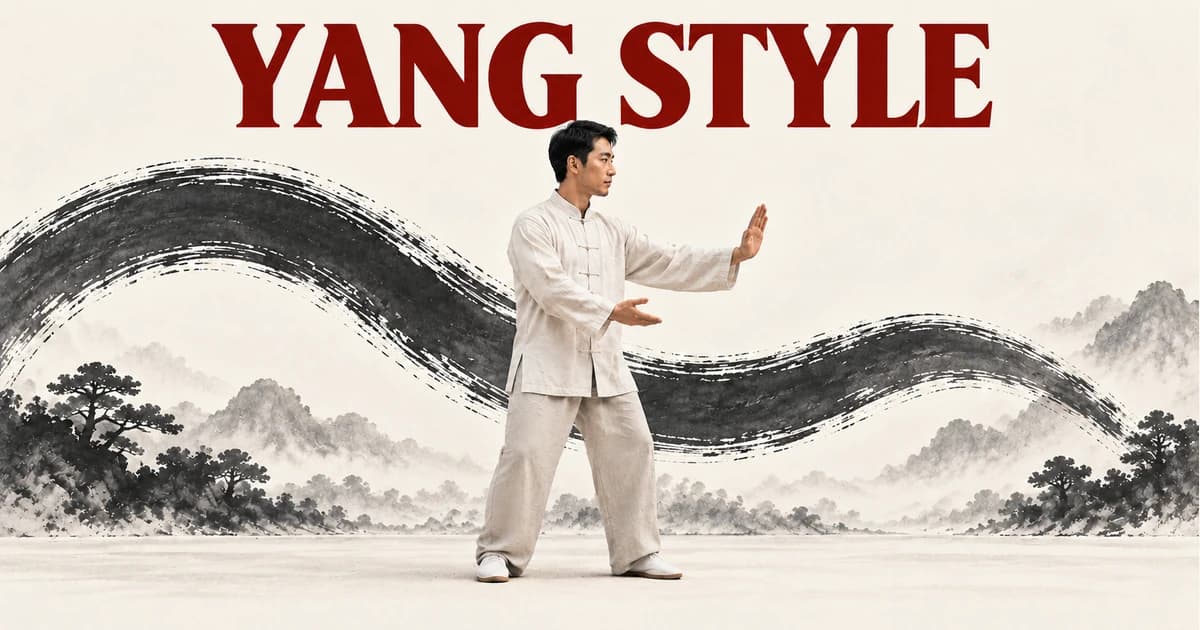
For changes to stance, support, and session choice, use Tai Chi for seniors. If you want to learn where Cloud Hands belongs in a traditional form, read Yang-style Tai Chi for beginners before adding more footwork.
Follow the same movements in the app
Tai Chi for Seniors & Beginners provides the demonstrations shown here, timed movement blocks, adjustable rest, and separate standing and chair plans. The standing beginner plan has short and extended sequences; choosing a shorter session reduces the number of movements. Start with the preview and select a sequence you can follow with control.
Updated: October 16, 2026