
Reviewed by Arisa Tanaphon, Certified Tai Chi Instructor, Mindful Movement Specialist
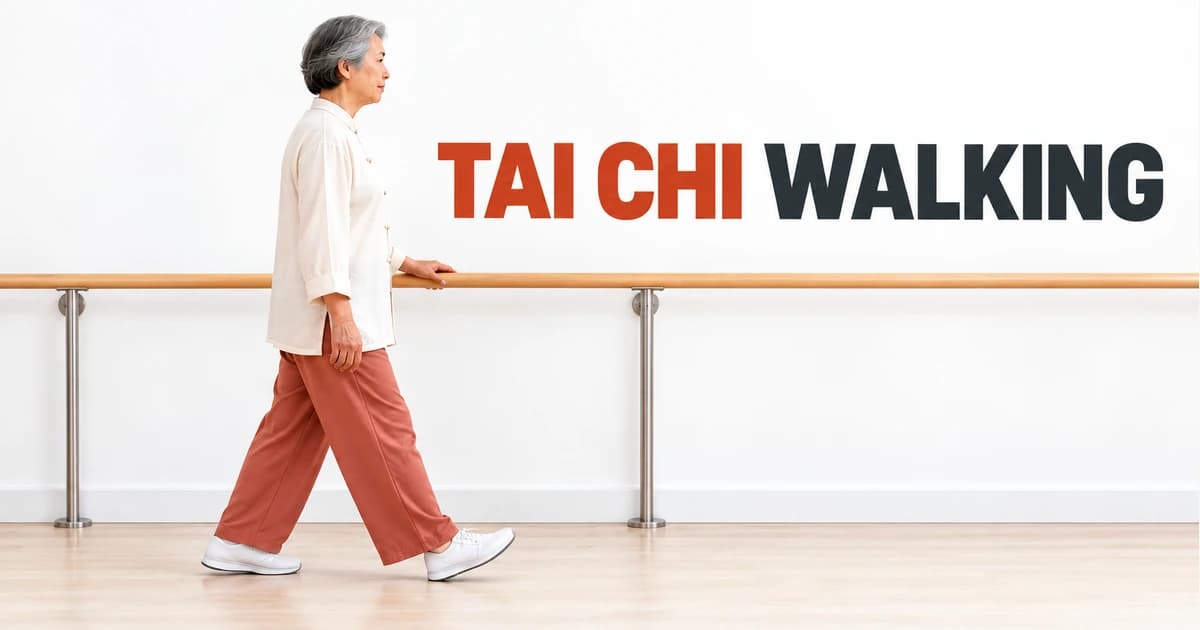
Tai Chi walking is slow stepping practice: you place a foot, transfer your weight, and then free the other foot to move. Distance and speed are secondary. For a beginner, the useful skill is knowing which leg supports you before taking the next step.
Start with a few controlled steps on a level floor, near a fixed support. If standing or stepping feels uncertain, begin with our seated beginner guide and ask a qualified instructor or clinician about suitable standing practice.
Key takeaways
- Tai Chi walking starts with a controlled weight transfer before the next step. Keep steps short enough to place the foot without rushing.
- Tai Chi for Seniors & Beginners includes Side To Side Sway: both feet remain planted while you rehearse shifting weight.
- Preview the 12-movement Gentle Morning Warm-Up before following it: Blend Circles includes a forward lunge, and Side Flow Step crosses one foot behind the other.
- These app movements are preparation examples, not a walking-only course. Clear room for the actual steps and use nearby support if your balance is uncertain.
Set up a short, clear practice space
- Choose a level, nonslip surface. Move loose rugs, cords, and furniture out of your path.
- Wear secure footwear that lets you place the whole foot comfortably. Keep a stable counter or rail within reach.
- Use a few steps of open space. Stop and reset when you reach its end; practice turning separately.
- Keep your eyes open and look ahead, checking the floor before you start. Skip backward walking while learning.
Learn the weight shift before adding steps
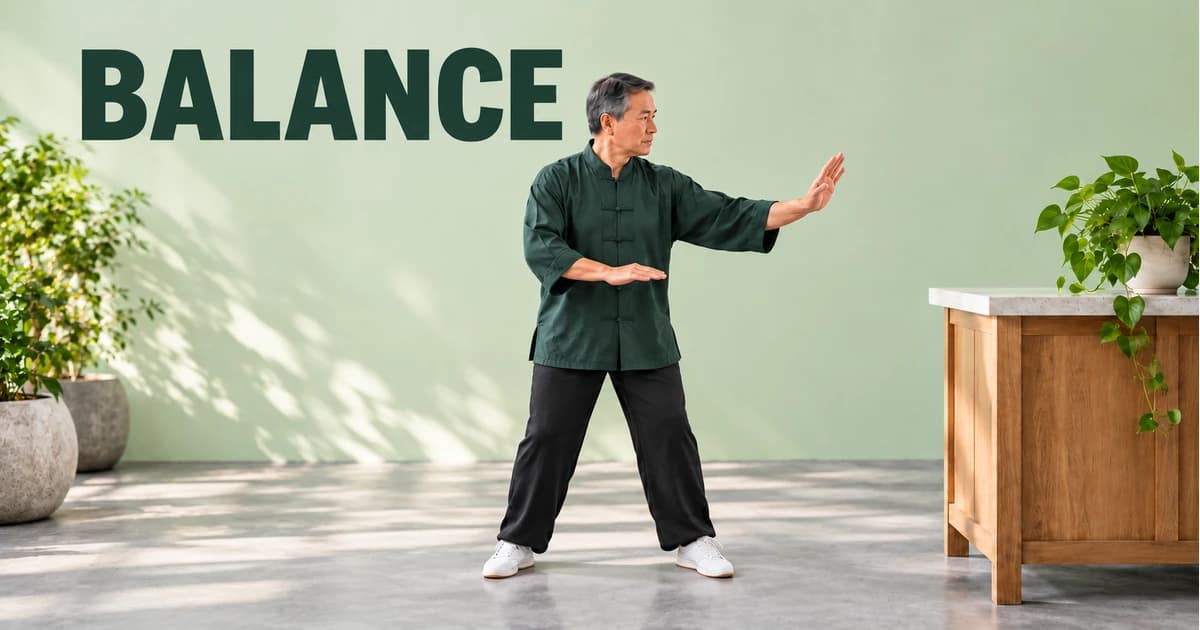
In Side to Side Sway, both feet stay planted while your weight travels left and right. Keep the knee bend shallow at first. Notice the pressure under each foot instead of moving only your shoulders. Return to the center before changing direction.
The app demonstration uses a wide horse stance. A smaller, comfortable stance is a useful way to rehearse the transfer. You do not need a deep squat to understand which foot is carrying more weight.
Watch the stationary weight-shift drill
Side to Side Sway
- Stand with feet wide and bend knees into a horse stance. Keep torso upright, arms crossed in front of chest.
- Shift body weight slowly to the left, then to the right.
- Return to center and stabilize with control.
Try a simple forward step
- 1. Settle. Stand comfortably with soft knees and your torso upright. Rest a hand on your support if needed.
- 2. Transfer. Move your weight toward one leg slowly, keeping the supporting knee aligned with the foot.
- 3. Place. Bring the lighter foot a short distance forward. Set it down gently before moving your body onto it.
- 4. Shift. Gradually transfer weight to the forward foot. Avoid falling into the step or pushing off abruptly.
- 5. Repeat. When steady, bring the other foot forward. Pause between steps whenever you need to reorganize.
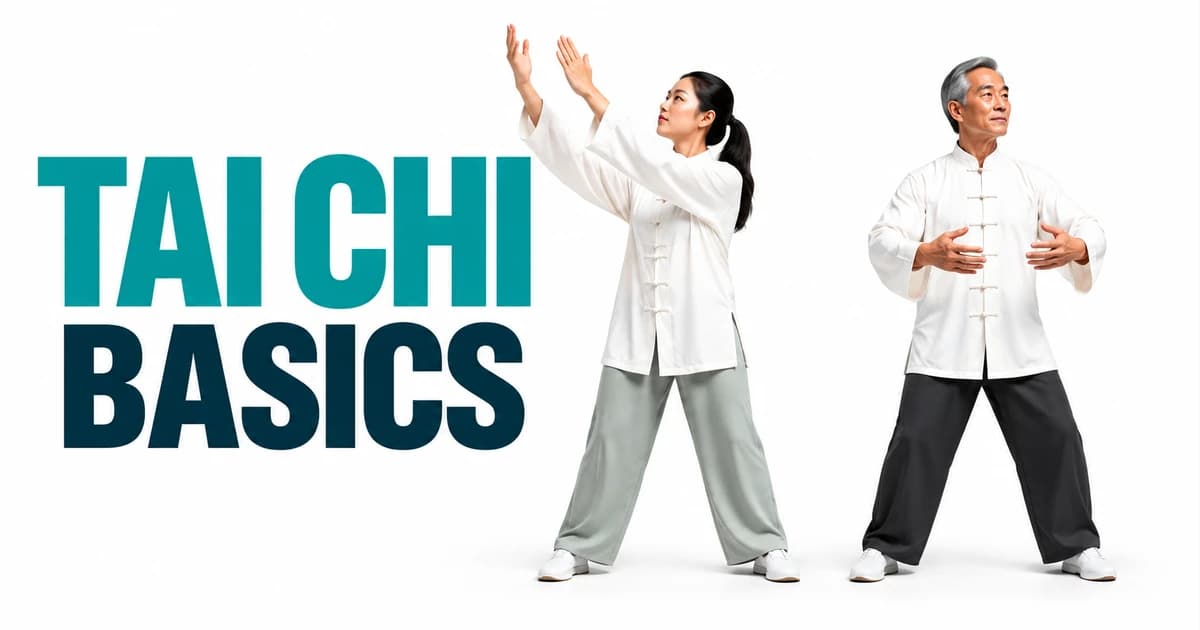
Keep the arms relaxed while learning the footwork. Add an arm pattern only after you can step without rushing. Different Tai Chi styles teach different foot placements; these are introductory stepping cues, not a complete traditional form.
Three things that make slow stepping harder
- Taking a large step. A shorter step gives you less distance to transfer your weight.
- Staying low throughout. Use only a comfortable knee bend. Rising slightly is more useful than straining to hold a low stance.
- Adding crossings and kicks too early. Learn a plain forward step before trying cross steps, backward steps, or knee lifts.
Stop if you feel dizzy, painful, or unsteady. A video can show a movement, but cannot assess your gait or correct your balance in real time.
Connect stepping with a wider practice
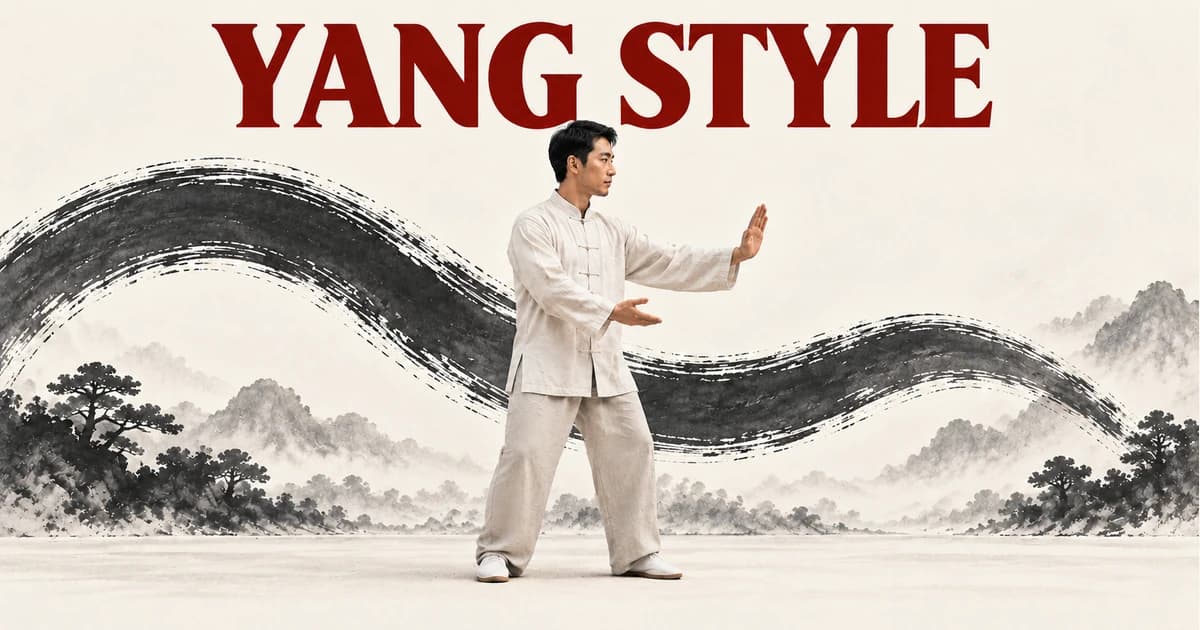
A shorter step or fixed support may make a first session easier to follow; our Tai Chi for seniors guide explains those choices. For the relationship between stepping, weight transfer, and named postures, continue with Yang-style Tai Chi.
How to use the app alongside walking practice
Tai Chi for Seniors & Beginners includes standing movement demonstrations and 30-day standing plans. Use Floating Cloud Hands to explore coordinated turning after the stationary sway feels familiar. The standing beginner plan shows the first week’s actual movement order.
These are standing practice resources; the plan is not a walking-only course. In the app you can choose your level and short or extended sessions, adjust rests, and save completed practice days. For session scheduling, see how often to practice.
Further guidance
The NCCIH Tai Chi overview describes the practice and its research. Its findings do not establish the effects of this particular stepping drill or our app.
Updated: October 16, 2026