Reviewed by Arisa Tanaphon, Certified Tai Chi Instructor, Mindful Movement Specialist
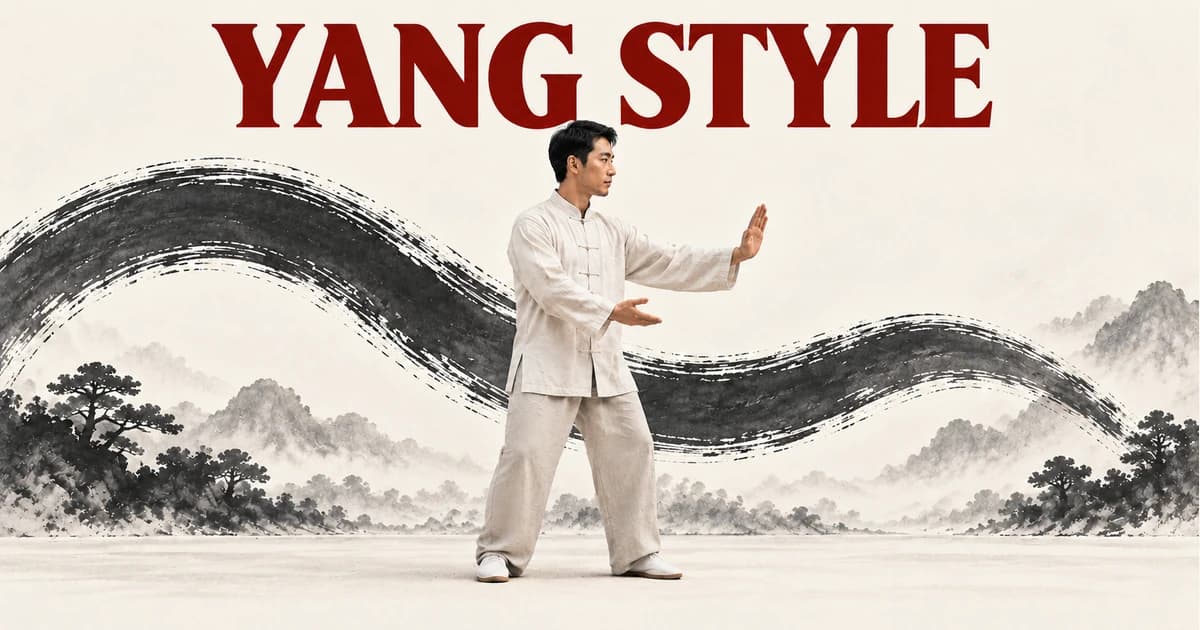
Seven useful Tai Chi movements to recognize are Commencing Form, Parting the Wild Horse’s Mane, White Crane Spreads Its Wings, Brush Knee and Push, Wave Hands Like Clouds, Golden Rooster Stands on One Leg, and Closing Form. These are commonly taught names in Yang-style Tai Chi, with wording and details that vary between schools.
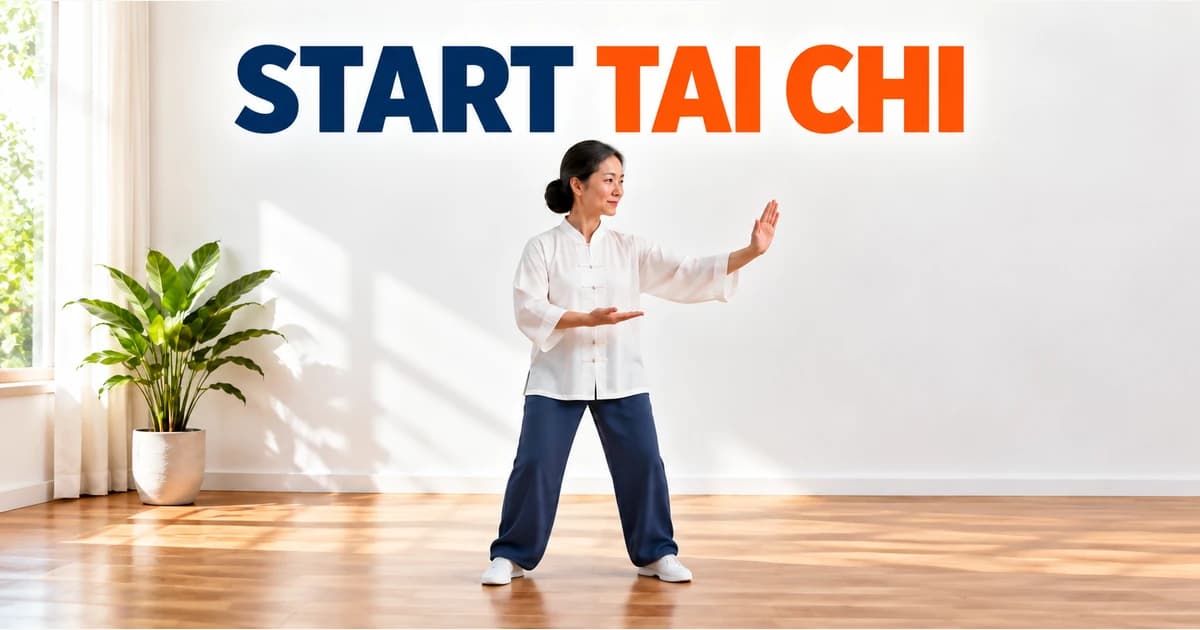
Learn one pattern at a time before joining a long sequence. This guide explains what the names refer to and what to watch for. For stance, clothing, and choosing a first lesson, start with Tai Chi for beginners.
Key takeaways
- The 7 traditional movements in this guide include Commencing Form, Parting the Wild Horse’s Mane, Wave Hands Like Clouds, and Golden Rooster Stands on One Leg.
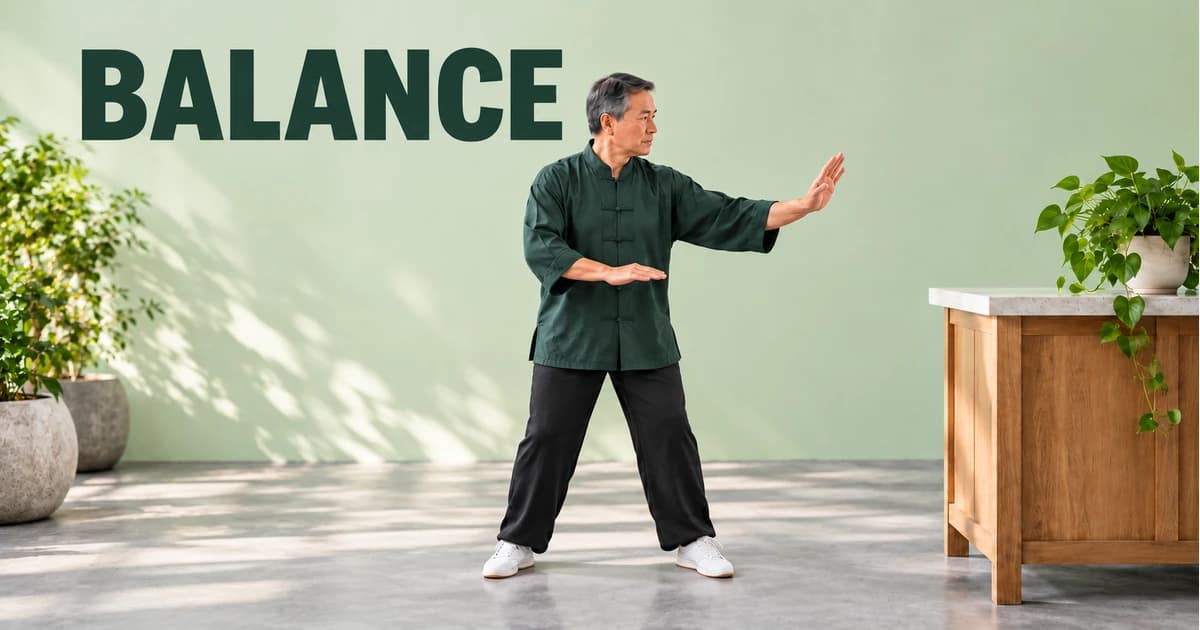
- Learn the arm path and weight transfer separately before joining them. A small, controlled stance is more useful than copying a deep bend.
- Tai Chi for Seniors & Beginners uses its own movement names: Floating Cloud Hands demonstrates stationary turning and weight shifts; One Leg Balance lifts the knee and same-side arm.
- App movement blocks last 30 seconds. Pause the video to inspect a transition; the timer does not require a particular number of repetitions.
Before you start
Stand where the floor is clear and you can move the arms without reaching into furniture. Keep knee bends shallow while learning. A slow movement still needs a stable starting position and enough time to put a foot down carefully.
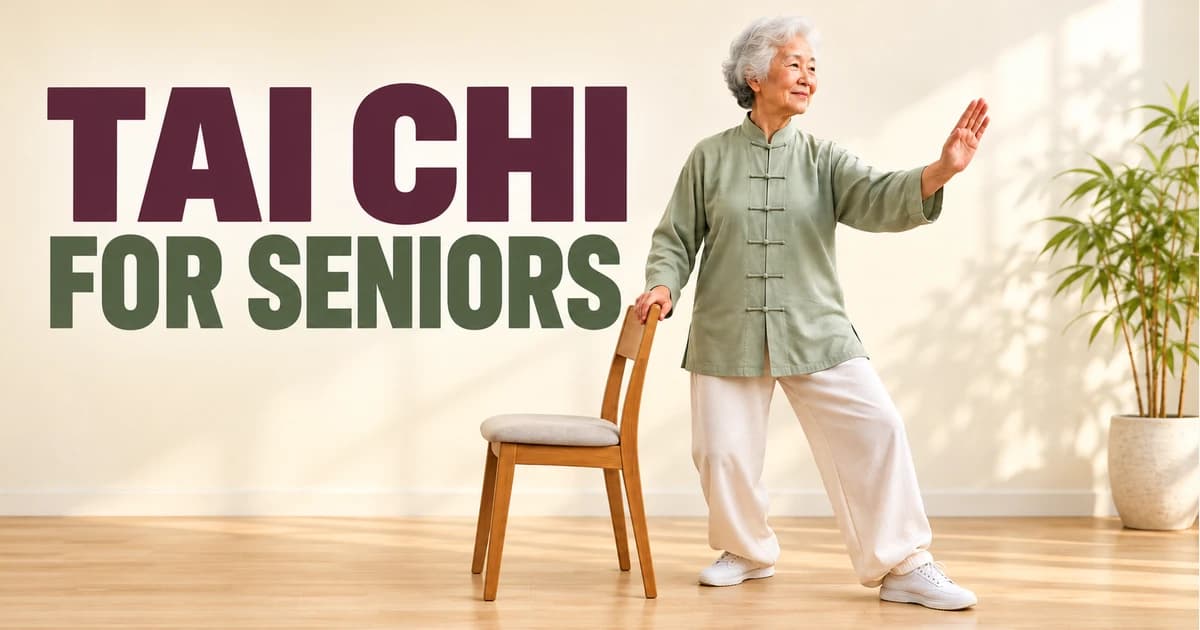
Traditional forms combine footwork, weight transfer, and coordinated hands. An instructor can help with details that a short description cannot show. Our Yang-style guide explains how individual postures fit into a form. For changes to support and stance, see Tai Chi for seniors.
7 basic Tai Chi movements and their traditional names
- 1. Commencing Form (Qi Shi). Also called Opening or Beginning. From a settled standing posture, the arms rise and lower as you establish the pace of the form. Watch for quiet shoulders, soft elbows, and a controlled lowering. Keep the arm height comfortable instead of trying to make the opening large.
- 2. Parting the Wild Horse’s Mane (Ye Ma Fen Zong). A stepping posture with the hands separating as the weight moves into the next stance. Learn where the foot lands before adding the arm opening. Leave enough width between the feet to stay steady; a long step makes the transfer harder to control.
- 3. White Crane Spreads Its Wings (Bai He Liang Chi). Recognizable by one hand rising while the other settles lower. Pay attention to the supporting leg and the transition into the posture, rather than copying only the final arm shape. Rehearse with a modest reach and a comfortable neck position.
- 4. Brush Knee and Push (Lou Xi Ao Bu). One hand brushes past the knee area while the other pushes forward as the body turns and steps. Learn the lower hand and the pushing hand separately, then coordinate them with the transfer. Avoid twisting a knee that is carrying your weight.
- 5. Wave Hands Like Clouds (Yun Shou). Often shortened to Cloud Hands. The hands pass through rounded paths as the torso turns and the weight shifts. Some teaching versions add side steps. Begin by understanding the weight transfer; add the particular footwork your teacher demonstrates when you can follow it steadily.
- 6. Golden Rooster Stands on One Leg (Jin Ji Du Li). Also called Golden Rooster Stands on One Foot. A raised knee and rising hand are coordinated over the supporting leg. Keep the lift low while learning and have fixed support within reach. You can leave the toes lightly down to rehearse the transfer before attempting a full lift.
- 7. Closing Form (Shou Shi). A controlled return to a quiet standing position at the end of a sequence. Let the hands lower without dropping the shoulders forward, then pause before walking away. The closing is an opportunity to finish with the same attention used for the opening.
The Yang Family 16-movement form lists Beginning, Parting Wild Horse’s Mane, White Crane, Brush Knee, Cloud Hands, and Closing. Its Essential Form also includes Golden Rooster. This selection is a starting vocabulary, rather than a universal seven-movement syllabus.
How to practice without rushing
- Watch one full demonstration before moving. Notice the starting foot position and the way the posture ends.
- Rehearse a small weight transfer first. Add the hands when the feet can stay controlled.
- Repeat a few comfortable cycles, then pause. Keep breathing naturally rather than holding the breath for balance.
- Review the same pattern at your next practice before adding another.
For an example of how to spread these names across a week, use the daily routine. If the main difficulty is foot placement, begin with Tai Chi walking.
Details that are easy to miss
A large arm shape can hide an uncontrolled step. Shorten the step if you need to lean or hurry to recover. Keep the shoulders relaxed when raising a hand, and avoid forcing the knees into a deep bend to imitate an experienced practitioner.
A movement name is a useful reference, but it does not specify every technique detail. Follow one teaching version consistently while learning. Read common beginner mistakes for practical checks between repetitions.
Practice related skills with our app demonstrations
Tai Chi for Seniors & Beginners has its own exercise names. Sunrise Flow practices a planted-foot arm sweep, and Floating Cloud Hands coordinates rounded arms with a stationary weight transfer. These are app exercises for learning related skills; the videos do not teach all seven traditional postures above.
Open an exercise to see the trainer video, step-by-step cues, and sessions containing it. The app lets you pause the timer, adjust rests, and choose short or extended plan days. Preview the entire movement list before following a complete session.
Watch Sunrise Flow and Floating Cloud Hands
Sunrise Flow
- Stand tall with feet shoulder-width apart. Soften knees, arms relaxed by sides.
- Inhale and slowly sweep the arms overhead.
- Exhale, lower arms in front with control.
Floating Cloud Hands
- Stand with feet shoulder-width apart and knees soft. Stack the arms in front of the body, keeping the wrists and arms soft.
- Face the top palm down and the bottom palm up. Shift weight and rotate torso to one side, guiding arms.
- Move smoothly side to side and return to center.
Questions about the movement names
Yes. Cloud Hands is a common shortened English name for Yun Shou. The stepping and hand details still depend on the style and teaching version.
No. Forms have different lengths and orders. These are seven useful names to recognize while beginning Yang-style practice.
No. Learn controlled weight transfer first. Use fixed support and a low lift, or rehearse with the toes down. Seek individual guidance if standing balance is uncertain.
Updated: October 16, 2026