
Reviewed by Arisa Tanaphon, Certified Tai Chi Instructor, Mindful Movement Specialist
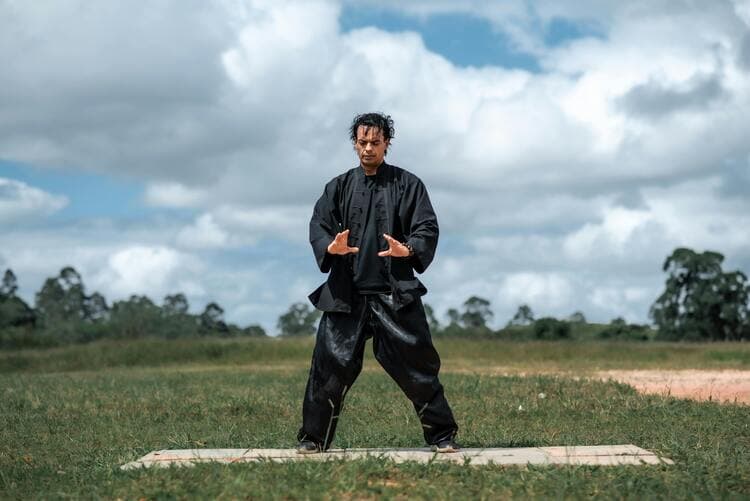
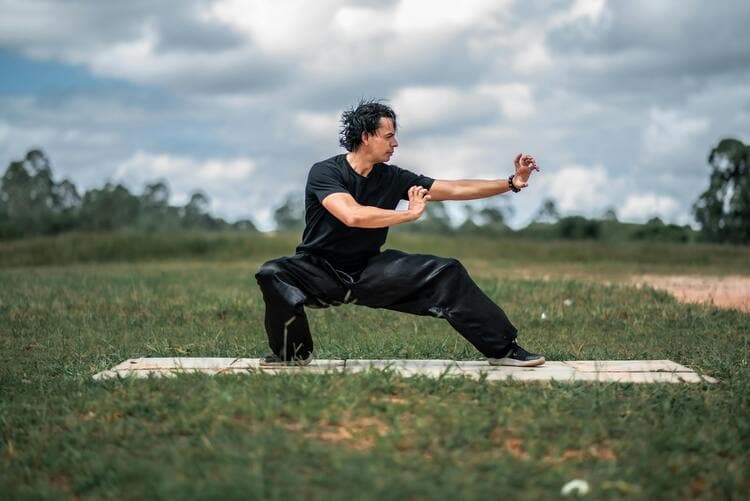
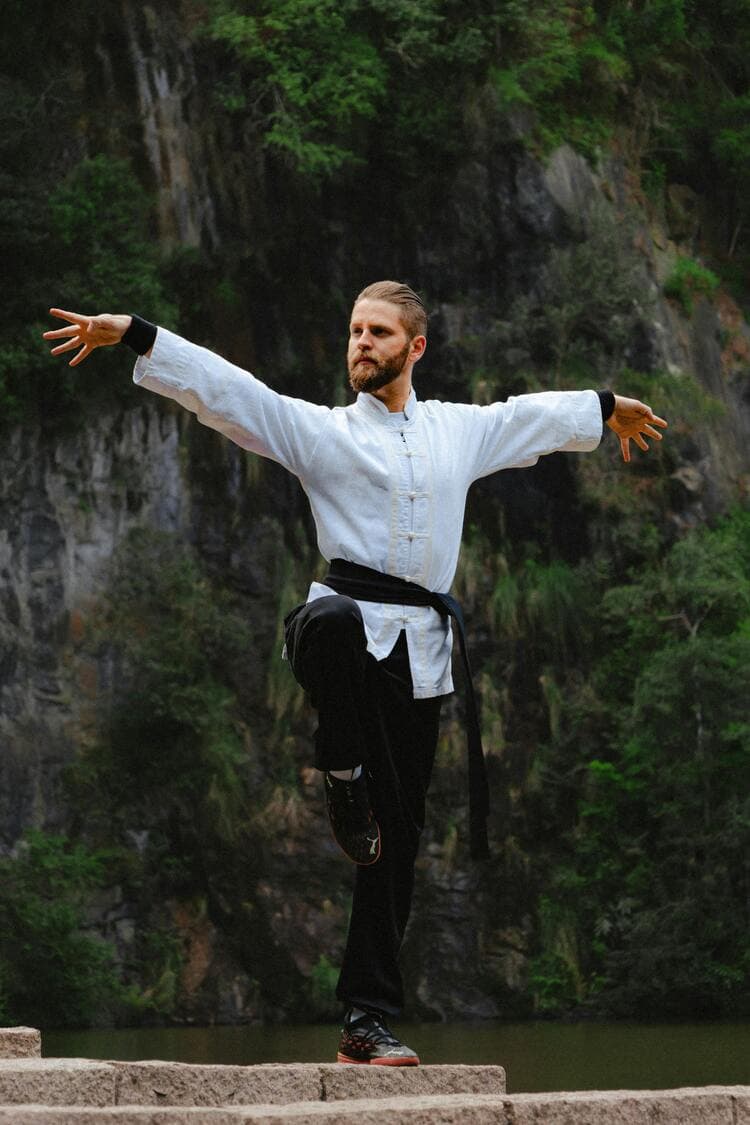
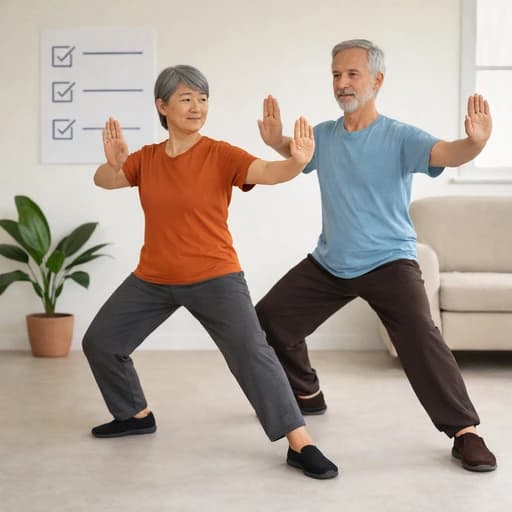
If you are new to tai chi, the best starting point is not memorizing a long form. It is learning how to stand, breathe, shift weight, and move without rushing. According to NCCIH’s tai chi overview, tai chi combines gentle movement, posture, mental focus, and controlled breathing. The Tai Chi for Health Institute describes it as a mind-body practice that is easy to learn and widely adapted for health-focused use. Even mainstream hospital systems like Mayo Clinic frame tai chi as a low-impact practice that can help people get moving without the intensity of a gym-style workout.
For beginners, that matters. A practice you can repeat is more useful than a perfect practice you do once.
Key takeaways
- Tai chi is a low-impact mind-body practice centered on posture, coordinated movement, breathing, and attention.
- Most beginners do better with a short repeatable routine than with a long traditional form.
- Research suggests tai chi may support balance and fall reduction, while safety reviews report mostly minor adverse events when it is practiced appropriately.
- A gentle home routine is enough to begin. Consistency matters more than session length.
- If you have pain, dizziness, major balance issues, or a recent medical event, start with modifications or professional guidance.
What is tai chi, exactly?
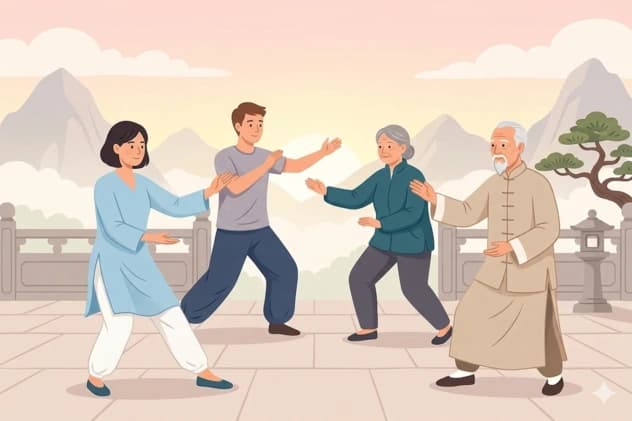
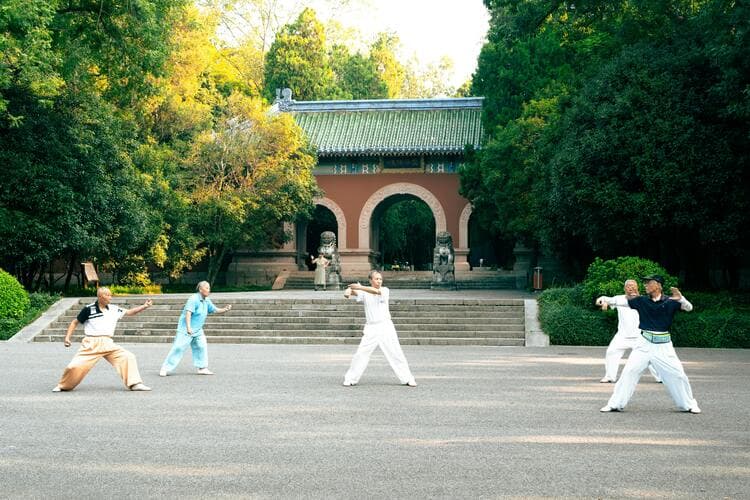
Tai chi began as a Chinese martial art, but today many people meet it first as a health practice. The basic idea is simple: move slowly enough that you can actually feel how your body is organized. The University of Tennessee at Chattanooga overview of taijiquan history helps explain why tai chi is both an art with deep roots and a modern adaptable movement system.
Beginners do not need to master history first. But they do need to understand one core principle: in tai chi, quality comes before choreography.
Why tai chi works well for beginners
Many exercise programs fail beginners because they ask for speed, endurance, or coordination before the person feels safe. Tai chi does the opposite. It slows the pace down. That gives you time to notice where you are stiff, where you lose balance, and where you are overworking.
That slower pace is one reason the research base is so interesting. An overview of systematic reviews on balance and falls found consistent support for tai chi as a balance-oriented practice, and a meta-analysis on safety reported that tai chi appears to be generally safe, with serious adverse events not typically attributed to the practice itself. Beyond balance, tai chi research has also explored cognition and dual-task walking in older adults with mild cognitive impairment and functional mobility in Parkinson’s disease.
That does not mean beginners should expect miracles. It means tai chi is a reasonable starting practice because it is adaptable, low impact, and supported by a meaningful evidence base.
BMI Calculator (Adults 18+)
Calculate your body mass index and check your weight category.
Formula: BMI = weight(kg) / height(m)²
This calculator is for adults aged 18+ and is for guidance only.
For adults, BMI uses the same formula for female and male users.
Do not use this tool if you are pregnant, under 18, have (or may have) an eating disorder, or have a condition that affects height.
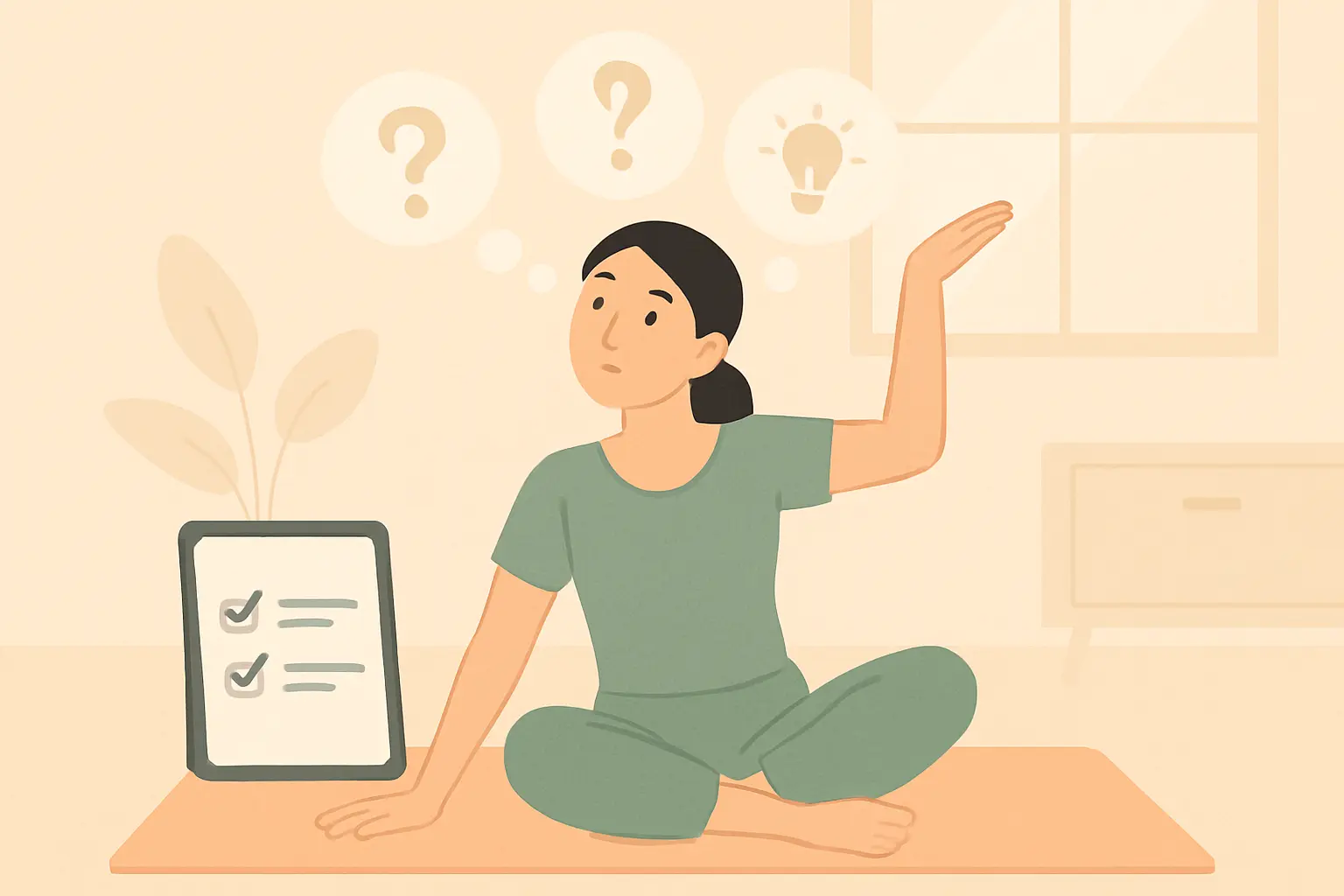
How to start tai chi at home
- Pick a quiet space where you can take a few side steps safely.
- Wear flat shoes or go barefoot if the floor is stable.
- Begin with 10 to 15 minutes.
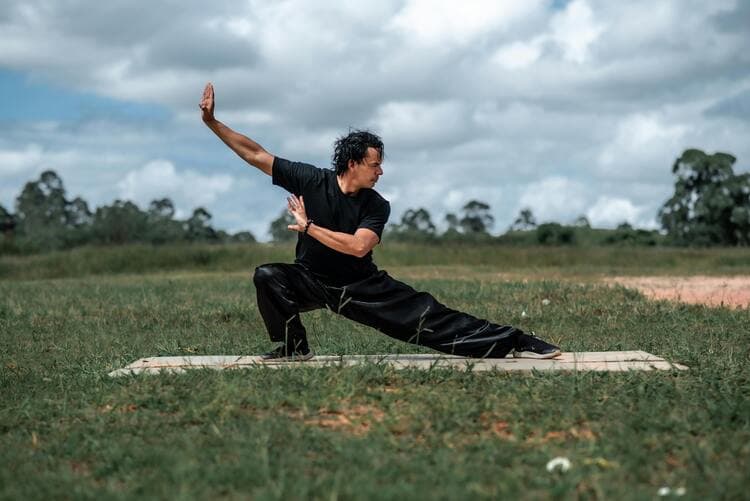
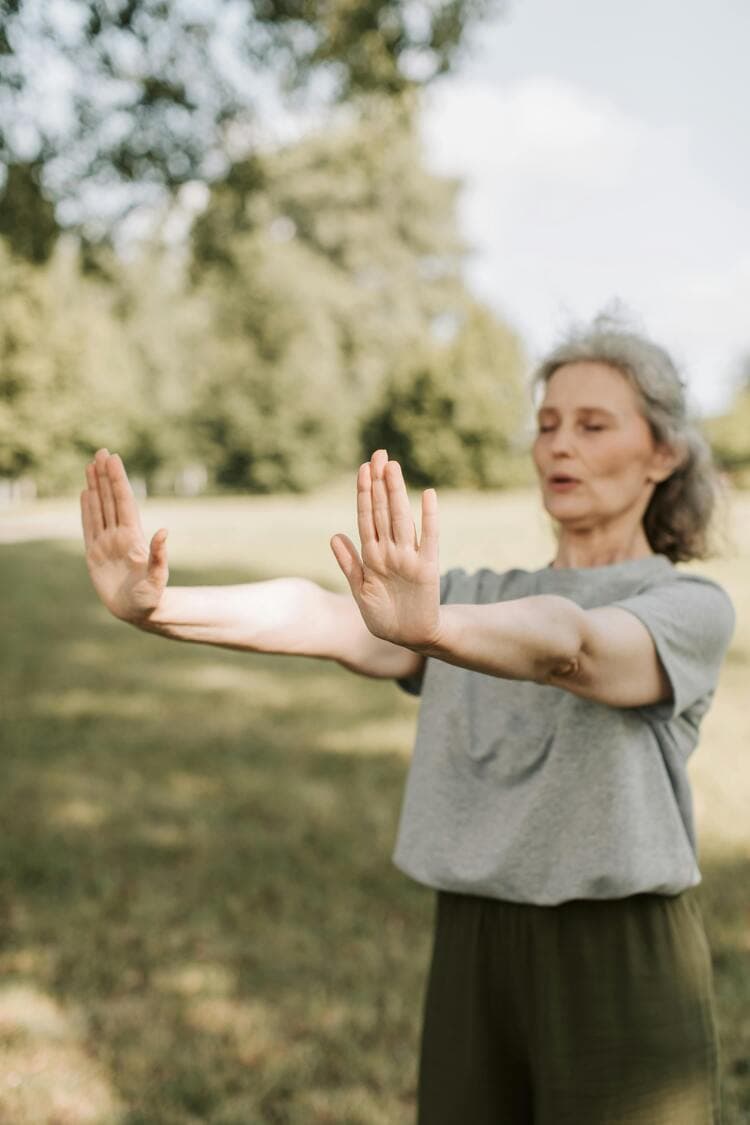
- Keep the knees soft, spine tall, jaw relaxed, and shoulders down.
- Let breathing stay natural at first. Do not force “deep breathing.”
- Move slower than feels normal.
A simple first-week tai chi routine
- 1 to 2 minutes: quiet standing and relaxed breathing
- 2 minutes: side-to-side weight shifts
- 2 minutes: raising and lowering the arms
- 2 minutes: one circular arm pattern
- 2 minutes: a gentle step-and-return drill
- 1 to 2 minutes: quiet standing to close
Tai Chi Calories Burned Calculator
Estimate calories burned per session using MET-based calculation.
Formula: Calories = MET × Weight(kg) × Duration(hours)
Current MET: 3.5
Estimates only. Actual energy burn varies by technique, body composition, and movement quality.
Common beginner mistakes
- locking the knees
- lifting the shoulders while breathing
- moving the arms without coordinating the torso
- chasing memorization instead of smoothness
- copying a teacher’s range of motion instead of adapting to your body
When to look for a class
Home practice is a strong starting point, but a live teacher can correct subtle issues that videos often miss: leaning during weight shifts, collapsing posture, or turning the arms without turning the torso. If you later move into condition-specific training such as arthritis, balance, or adaptive formats, that feedback becomes even more valuable.
FAQ
References
- NCCIH. Tai Chi: What You Need To Know. https://www.nccih.nih.gov/health/tai-chi-what-you-need-to-know
- Cui H, Wang Q, Pedersen M, et al. The safety of tai chi: a meta-analysis of adverse events in randomized controlled trials. https://pubmed.ncbi.nlm.nih.gov/31229620/
- Zhong D, Xiao Q, Xiao X, et al. Tai chi for improving balance and reducing falls: an overview of 14 systematic reviews. https://pubmed.ncbi.nlm.nih.gov/31981834/
- Li F, Harmer P, Eckstrom E, et al. Clinical effectiveness of cognitively enhanced tai ji quan training on global cognition and dual-task performance during walking in older adults with mild cognitive impairment. https://pubmed.ncbi.nlm.nih.gov/37903365/
- Tai Chi for Health Institute. What is Tai Chi? What Are The Health Benefits? https://taichiforhealthinstitute.org/what-is-tai-chi/
Updated: 2026-04-15