
Reviewed by Arisa Tanaphon, Certified Tai Chi Instructor, Mindful Movement Specialist
If someone searches for “yang tai chi for beginners,” they are usually asking a practical question: which style is most approachable if I am new, older, stiff, or unsure where to begin? In many beginner contexts, the answer is Yang style.
Key takeaways
- Yang style is one of the most widely practiced forms of tai chi and is often seen as beginner-friendly.
- The Yang Style 24 Forms are especially common because they condense core principles into a shorter learning sequence.
- Compared with more overtly explosive styles, Yang style is often associated with slow, smooth, continuous movement.
- For most beginners, the best first step is not to memorize a long form but to learn posture, weight shifting, and breathing rhythm.
- A style is only “best” if the person can practice it consistently.
What is Yang style tai chi?
Tai chi has multiple major styles, commonly including Chen, Yang, Wu, Hao, and Sun. In everyday health practice, Yang style is often the one beginners encounter first because it is widely taught and visually easier to follow.
Why beginners often start with Yang style
- movements are usually slow and deliberate,
- the overall tempo is easier to follow,
- classes and videos are easier to find,
- it has a strong “health practice” identity.
What are the 24 Forms?
The 24-form Yang set is a shortened sequence designed to make tai chi more accessible. According to the Tai Chi for Health Institute page, it contains key principles of tai chi with the special features of Yang style.
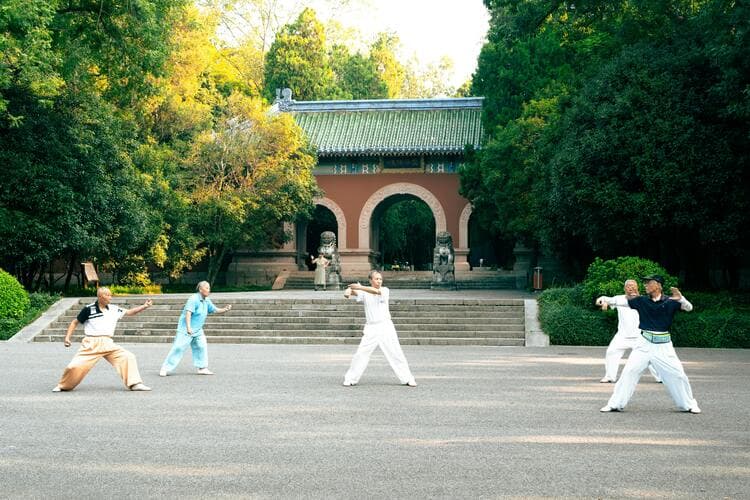
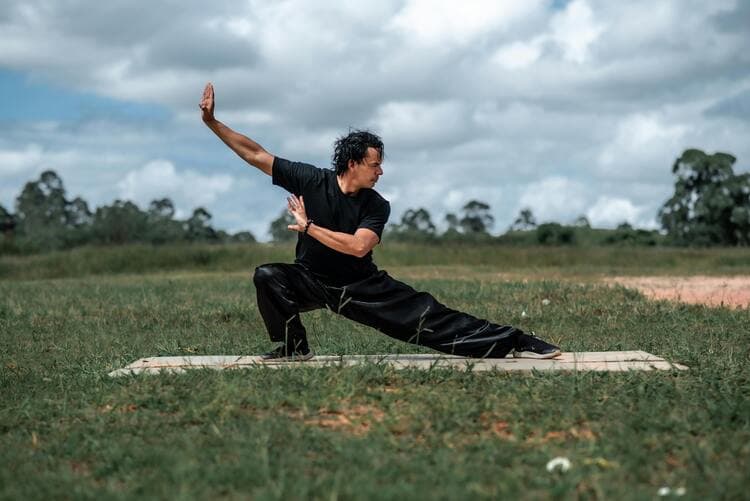
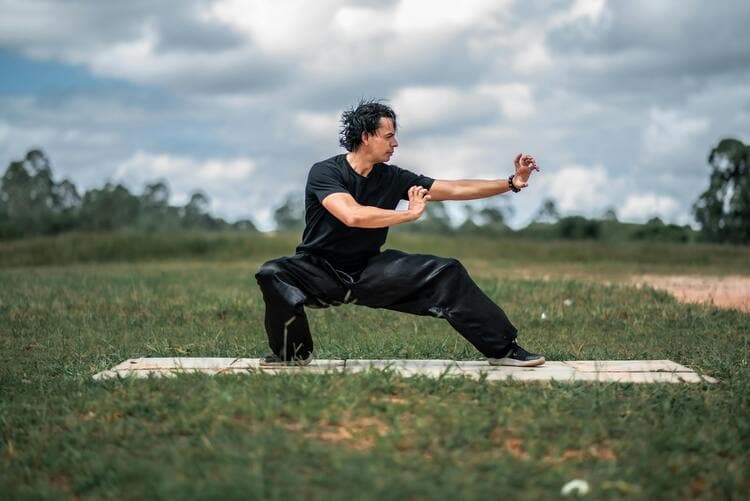
What Yang style feels like in practice
- standing posture,
- soft knees,
- relaxed shoulders,
- slow arm paths,
- shifting weight without rushing,
- breathing without strain.
Health angle: why Yang style is often used in beginner and health programs
Many health-oriented tai chi programs use Yang-style ideas because the movements are large, clear, and adaptable.
How beginners should start
- Learn opening posture and neutral stance.
- Practice weight shifting before trying to memorize many postures.
- Repeat 3 to 5 foundational moves.
- Keep sessions short.
- Add sequence length only when the movement quality stays calm.
FAQ
References
- Exploring the Depth of the Yang Style 24 Forms — Tai Chi for Health Institute
- Tai Chi: What You Need To Know — NCCIH
- Tai chi chuan | Definition, History, Forms, & Facts — Britannica
- The effects of different types of Tai Chi exercise on anxiety and depression in older adults
- Introduction to Tai Chi and Qi Gong — University of Wisconsin Osher Center
Updated: 2026-04-15