Reviewed by Arisa Tanaphon, Certified Tai Chi Instructor, Mindful Movement Specialist
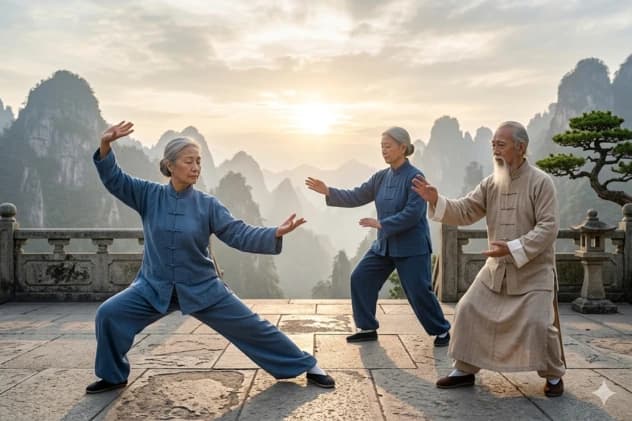
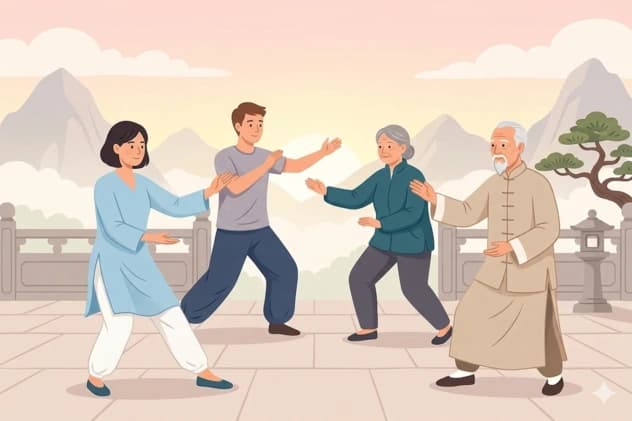
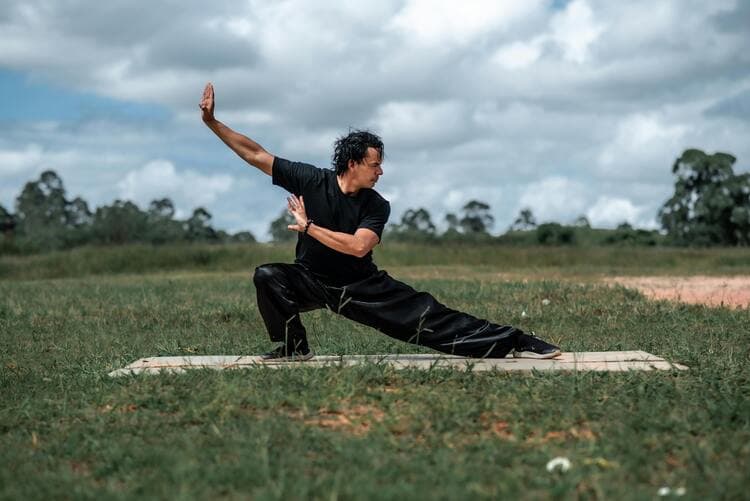
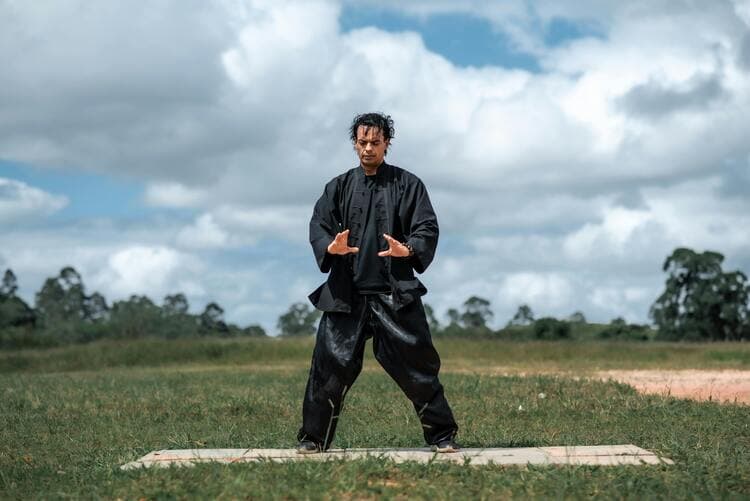
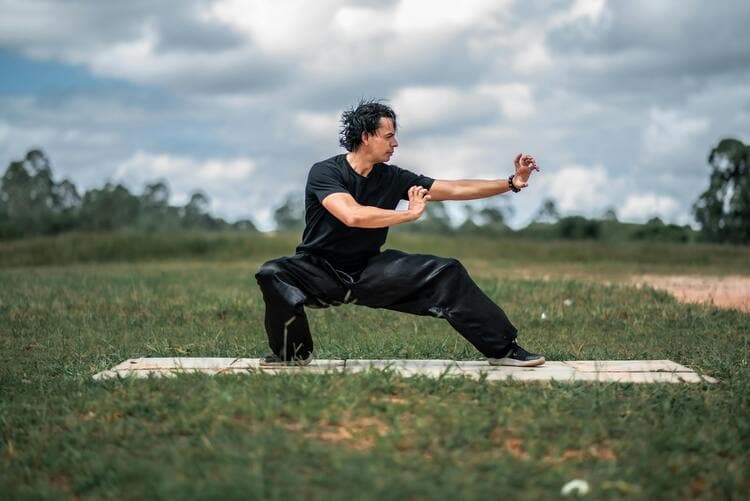
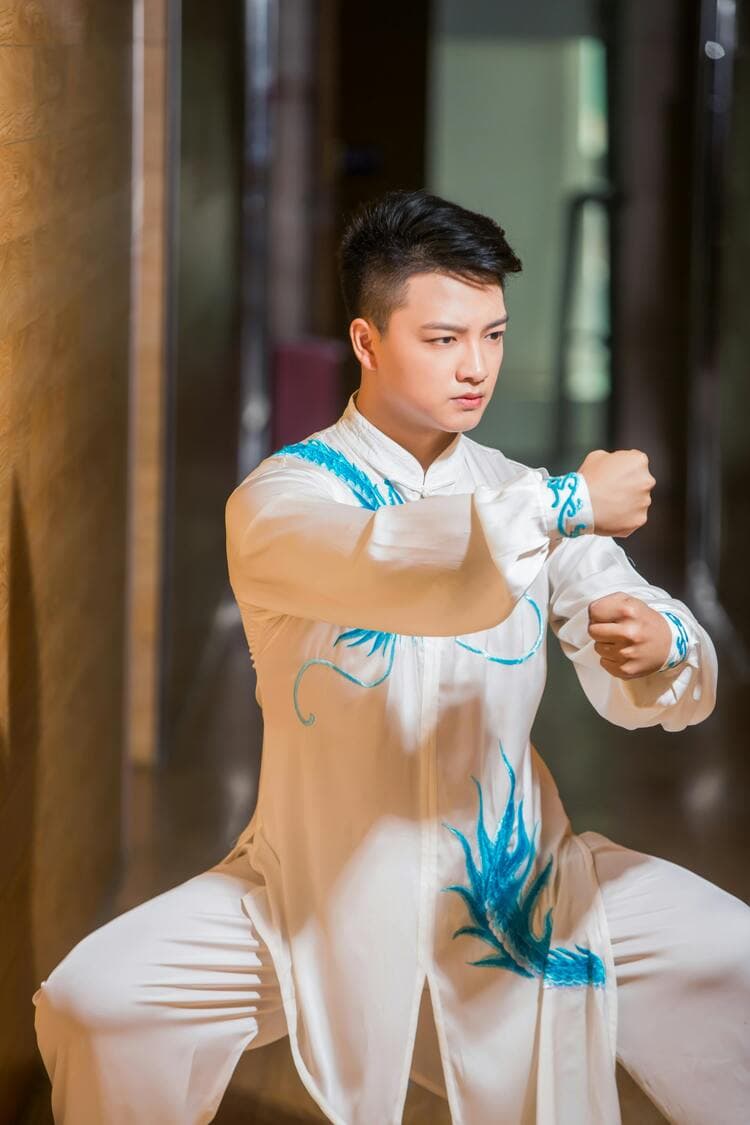
Many people use tai chi and qigong as if they mean the same thing. They are closely related, but they are not identical. According to the NCCIH qigong page, when tai chi is practiced for health, it can be considered a form of qigong. At the same time, qigong is broader: it includes many practices beyond tai chi.
Key takeaways
- Tai chi and qigong overlap heavily, but they are not interchangeable.
- According to NCCIH, tai chi performed for health can be considered a form of qigong.
- Qigong is often easier for absolute beginners because it uses shorter and simpler movement patterns.
- Tai chi may appeal more to people who like structured forms and progression.
- From a health perspective, both are often discussed together in research reviews, including the Jahnke review.
What qigong is
The NCCIH qigong overview describes qigong as a Chinese mind-body practice involving regulation of mind, breath, and body movement or posture.
What tai chi is
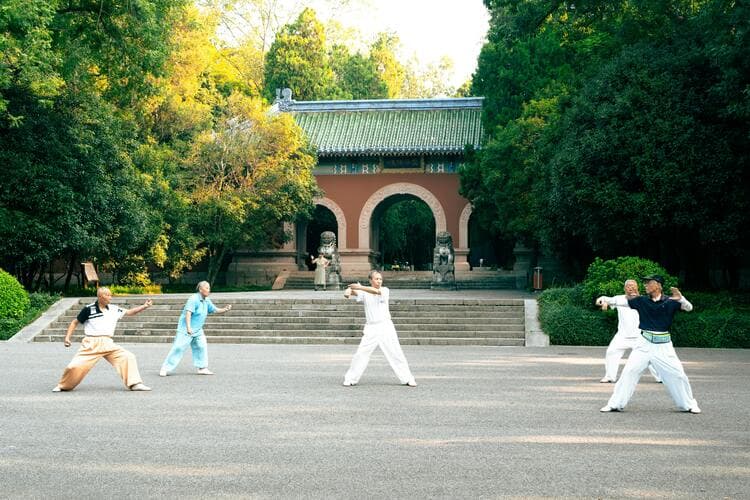
The NCCIH tai chi page describes tai chi as a practice involving slow gentle movements, physical postures, controlled breathing, and a meditative state of mind.
The simplest difference
- Qigong: broader category, often simpler, often more repetitive.
- Tai chi: a specific system or family of practices, often more sequence-based and form-driven.
What the research says about health benefits
Research often groups tai chi and qigong together because their mechanisms overlap. The classic comprehensive review by Jahnke et al. argued that many practices labeled qigong or tai chi share similar theoretical roots, expected benefits, and mechanisms.
Which is better for beginners?
- Choose qigong if you want something easier to start, easier to repeat, and less sequence-heavy.
- Choose tai chi if you like learning forms, progression, and a clearer sense of skill development.
Which is better for older adults?
There is no universal answer, but adaptation matters more than labels. Because both practices can be modified for sitting, standing, and gentle mobility work, either can work for older adults when the instruction is appropriate.
FAQ
References
- Qigong: What You Need To Know — NCCIH
- Tai Chi: What You Need To Know — NCCIH
- Introduction to Tai Chi and Qi Gong for Whole Health — U.S. Department of Veterans Affairs PDF
- A comprehensive review of health benefits of qigong and tai chi
- Effects of Tai Chi and Qigong on cognitive and physical functions in older adults
Updated: 2026-04-15