Reviewed by Arisa Tanaphon, Certified Tai Chi Instructor, Mindful Movement Specialist
Key takeaways
- Tai chi is a mind-body practice that combines slow movements, posture, breathing, and focused attention.
- It began as a martial art in China and is now widely used for health, rehabilitation, and gentle exercise.
- When practiced for health, tai chi is often described as a form of moving meditation.
- Research suggests tai chi may help with balance, fall prevention, knee osteoarthritis symptoms, mood, and overall physical function.
- Tai chi is generally low impact and adaptable, which is why it is popular among beginners, older adults, and people who want gentler exercise.
What is tai chi?
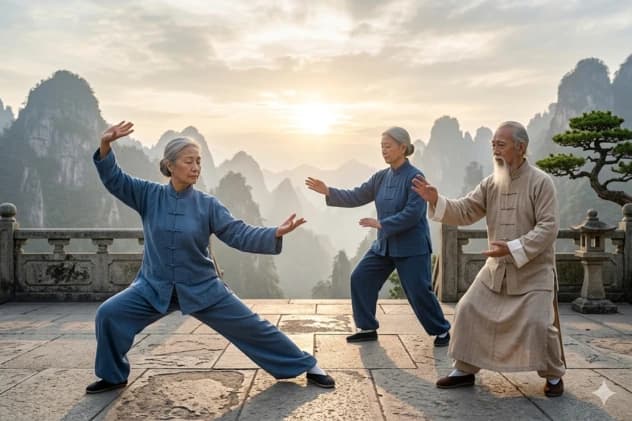
Tai chi is a practice built around slow, deliberate movement, controlled breathing, and mental focus. In simple terms, it is an exercise system that trains the body and mind together.
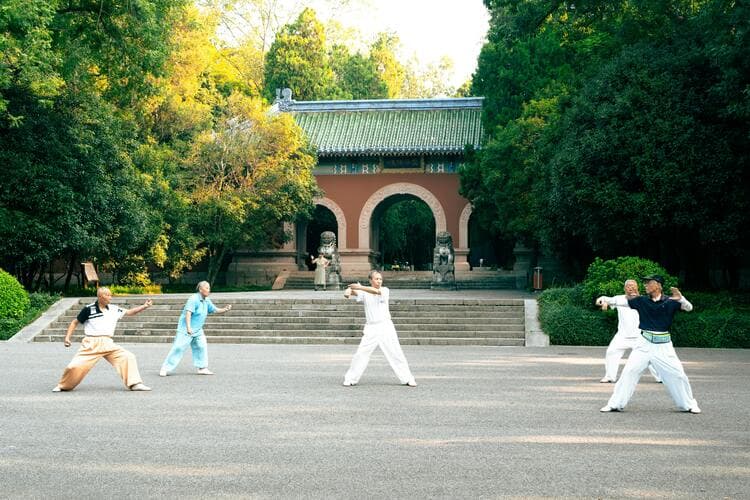
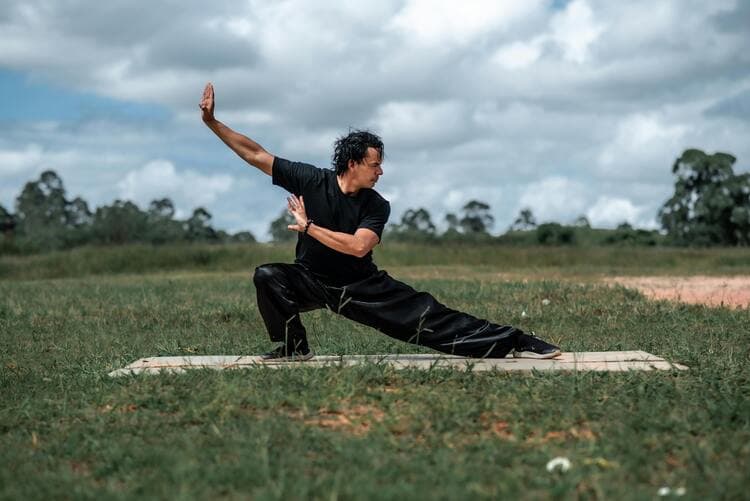
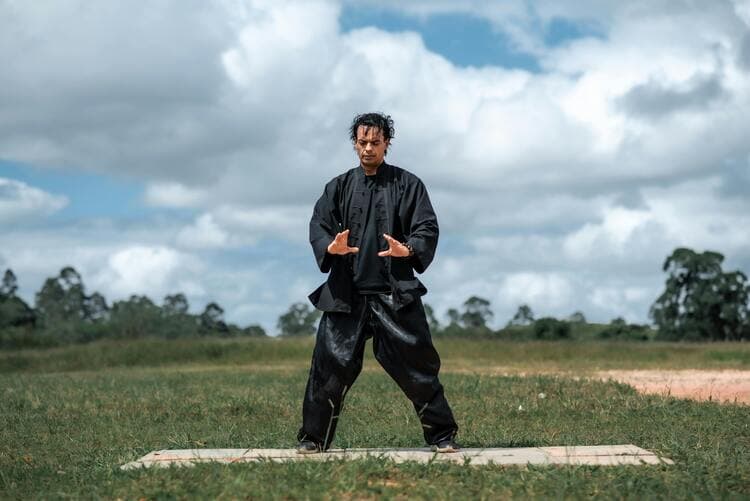
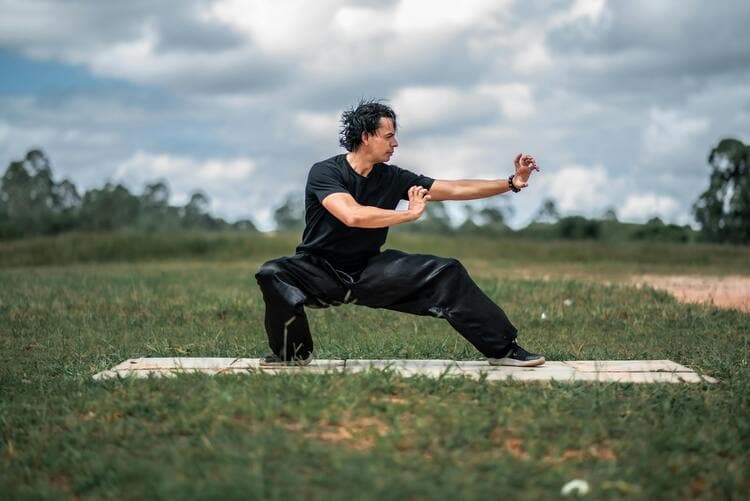
The modern health-oriented version of tai chi usually looks calm and fluid. People move from one posture to the next without rushing, shifting weight carefully, relaxing unnecessary tension, and coordinating each movement with breath and attention. That is why it is often described as both exercise and moving meditation.
According to the U.S. National Center for Complementary and Integrative Health (NCCIH), tai chi includes a series of gentle movements, physical postures, mental focus, and relaxation. That definition matters because many beginners assume tai chi is only stretching, only balance work, or only meditation. In reality, it sits in between those categories.
Is tai chi a martial art or a health exercise?
Both.
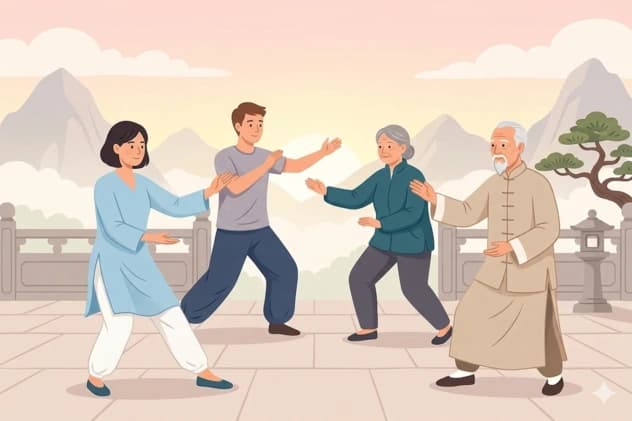
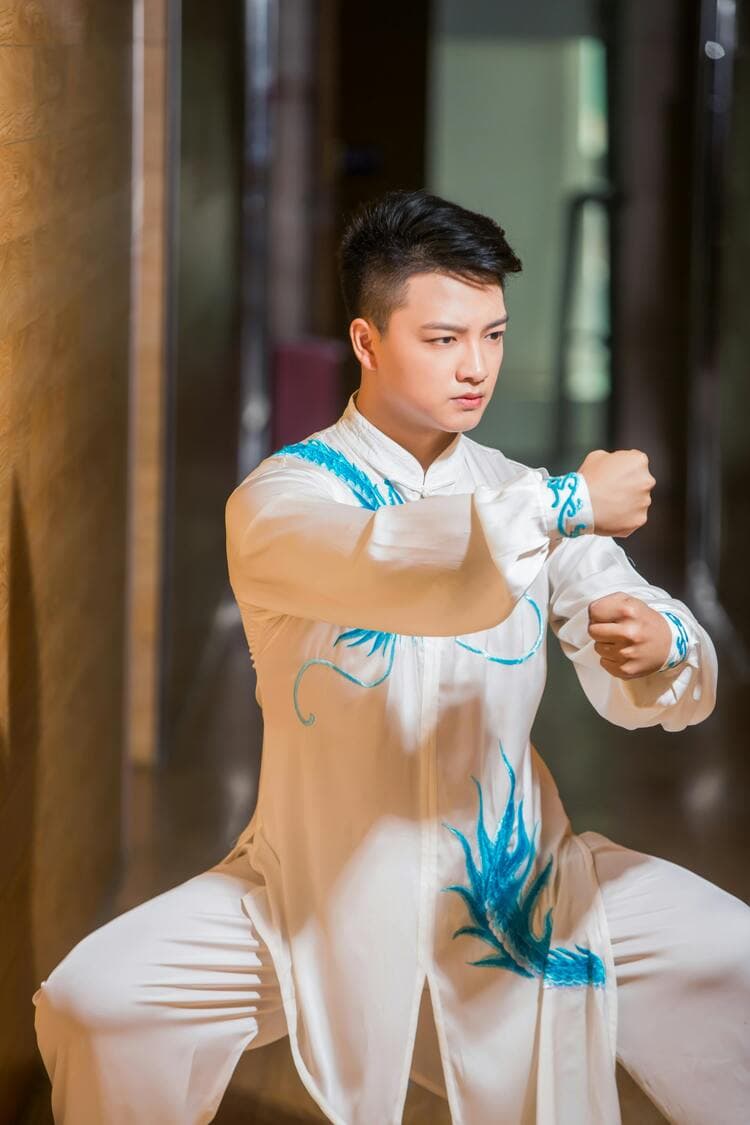
Historically, tai chi started as an ancient Chinese martial art. Over time, it became widely used for health promotion, rehabilitation, and healthy aging. That is why two people can both say they practice tai chi while doing very different things:
- one may focus on traditional forms and martial applications,
- another may use tai chi mainly for posture, balance, and stress relief,
- and a third may practice a modified seated version for mobility or recovery.
This split is important for SEO and for real users. Many people search "what is tai chi" because they are confused by mixed messages online. Some sources talk about self-defense. Others present it like yoga. The clearest answer is that tai chi is a traditional martial art that is now also one of the most popular mind-body exercise systems for health.
BMI Calculator (Adults 18+)
Calculate your body mass index and check your weight category.
Formula: BMI = weight(kg) / height(m)²
This calculator is for adults aged 18+ and is for guidance only.
For adults, BMI uses the same formula for female and male users.
Do not use this tool if you are pregnant, under 18, have (or may have) an eating disorder, or have a condition that affects height.
What does tai chi actually involve?
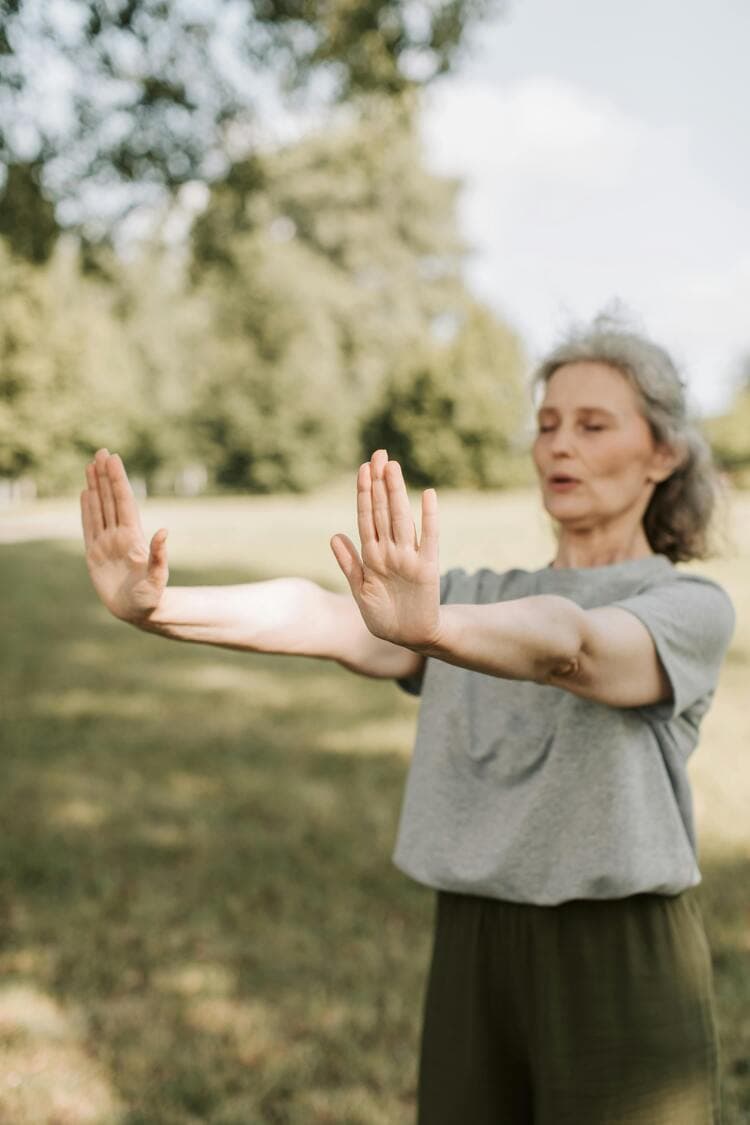
- Slow, flowing movement. Movements are usually continuous rather than explosive. You shift your weight, rotate gently, and move your arms in coordinated patterns. Harvard Health describes tai chi as a sequence of graceful, flowing motions that challenge balance without high impact (Harvard Health).
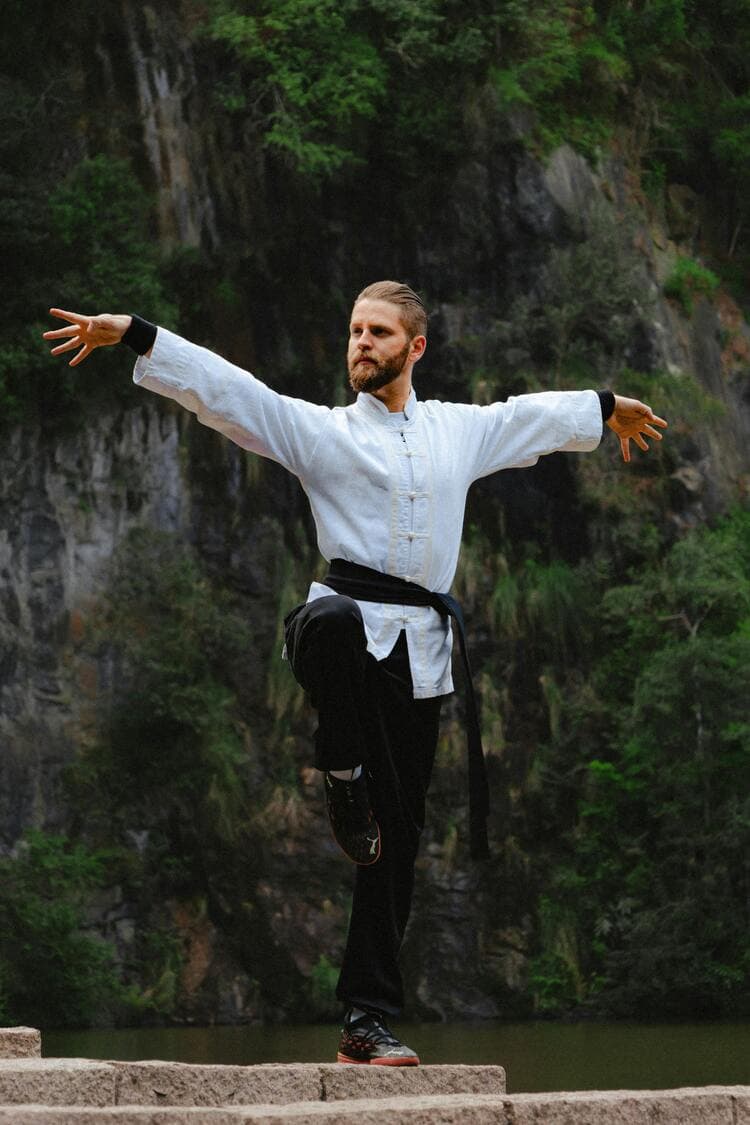
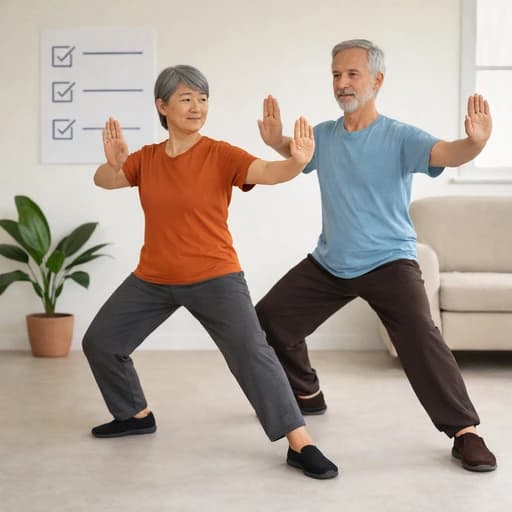
- Postural control. Tai chi is not random arm waving. Good practice emphasizes alignment, controlled weight transfer, soft knees, and efficient posture. This is one reason it is often recommended for people who want to improve balance and body awareness.
- Breathing. Breathing is usually calm and natural. In many beginner classes, teachers encourage relaxed nasal breathing and a steady rhythm rather than forced techniques.
- Attention and mental focus. Tai chi is not just about copying shapes. You are asked to notice how you stand, where your weight is, whether your shoulders are tense, and how one movement connects to the next. That mental component is part of why tai chi is frequently discussed alongside mindfulness practices.
- Repetition and form practice. Beginners often learn short sequences first. Over time, they may practice longer forms, individual movements, or simplified programs designed for health, arthritis, balance, or rehabilitation.
Tai chi and qigong: are they the same thing?
Not exactly, but they overlap.
NCCIH explains that when tai chi is practiced for health, it can be considered a form of qigong. Both practices combine movement, breathing, and focused attention. The difference is that tai chi usually involves more structured sequences or forms, while qigong can be broader and may include simpler repeated exercises.
For beginners, the practical takeaway is this:
- Tai chi usually feels more like learning a sequence.
- Qigong often feels more like practicing a set of simple energy and breathing exercises.
That is why some people find qigong easier to start with, while others prefer tai chi because it feels more concrete and skill-based.
Tai Chi Calories Burned Calculator
Estimate calories burned per session using MET-based calculation.
Formula: Calories = MET × Weight(kg) × Duration(hours)
Current MET: 3.5
Estimates only. Actual energy burn varies by technique, body composition, and movement quality.
What are the health benefits of tai chi?
This is where a lot of low-quality content becomes vague. So it is better to separate strong claims from softer ones.
Balance and fall prevention: NCCIH states that tai chi may help improve balance and prevent falls in older adults and in people with Parkinson’s disease. CDC materials also include tai chi among balance-focused activities that can help people who are at risk of falling. A 2023 systematic review and meta-analysis reported that tai chi was effective for fall prevention and balance improvement in older adults.
Knee osteoarthritis and arthritis-related symptoms: NCCIH says research suggests tai chi may help reduce pain and stiffness in osteoarthritis (NCCIH). The 2019 American College of Rheumatology / Arthritis Foundation guideline strongly recommends tai chi for the management of knee and hip osteoarthritis.
Mood, stress, and mental well-being: Harvard Health notes that tai chi may support stress reduction, body awareness, and relaxation. A 2020 meta-analysis found tai chi was associated with improvements in quality of life and depressive symptoms in older adults with chronic disease.
Physical function and mobility: Harvard Health also points out that tai chi can help develop strength, flexibility, and balance.
Is tai chi safe?
In general, yes.
NCCIH describes tai chi as a practice that is generally considered safe, with adverse events in studies tending to be minor. A 2019 meta-analysis on safety reported that serious adverse events linked directly to tai chi were uncommon, and most reported issues were minor aches or pains (PubMed).
That said, safe does not mean risk free. Good advice for beginners:
- start with simple movements,
- do not force low stances or deep knee bends,
- use a chair or wall for support if needed,
- choose an instructor who understands beginners or older adults,
- and talk to a clinician first if you have a medical condition that affects balance, pain, or exertion tolerance.
What are the main styles of tai chi?
- Chen
- Yang
- Wu
- Hao
- Sun
What does a beginner need to start tai chi?
- comfortable clothes
- flat, stable shoes or bare feet depending on the setting
- enough space to step and shift weight safely
- 10 to 20 minutes of uninterrupted time
- a beginner-friendly class, video, or app-guided routine
How should a complete beginner think about progress?
- 1. Learn the rough shape of the movement
- 2. Slow it down
- 3. Relax unnecessary tension
- 4. Improve weight transfer and posture
- 5. Connect movement, breathing, and attention
FAQ
References
- Tai Chi: What You Need To Know — NCCIH
- Qigong: What You Need To Know — NCCIH
- The Health Benefits of Tai Chi — Harvard Health
- Tai chi for improving balance and reducing falls: an overview of systematic reviews — PubMed
- 2019 American College of Rheumatology/Arthritis Foundation Guideline for Osteoarthritis — PubMed
Updated: 2026-04-15